

If a summer downpour or sudden hailstorm has you wincing every time it hits your roof, you are not imagining things. Skylight noise reduction rain hail Toronto homeowners search for is a real and solvable problem, because a skylight is a single-pane interruption in an otherwise heavily insulated roof assembly, and sound behaves very differently when it strikes glass and aluminum instead of asphalt shingles and plywood decking. At Toronto Skylight Installers, we get calls every summer from homeowners who love the daylight their skylight brings but dread the drumming, pinging and rattling that comes with a good Toronto thunderstorm. The good news is that skylight noise reduction rain hail Toronto solutions exist at every level, from the glass itself to the frame, the flashing, the insulation and even the window coverings you choose for the room below.
Why Rain and Hail Noise Feels Louder Through a Skylight
Understanding skylight noise reduction rain hail Toronto strategies starts with understanding why the noise happens in the first place. A typical roof surface absorbs and disperses the energy of raindrops and hailstones across shingles, underlayment and a thick layer of decking and insulation. A skylight, by contrast, is a rigid, often single or double-glazed unit mounted in a frame that can act like a drum skin. Sound waves generated by rain or hail striking the glass travel efficiently through that thin assembly and into the room below, especially in older or entry-level skylight units that were never engineered with acoustic performance in mind.
Homes across Toronto, Mississauga, Vaughan, Markham and Brampton experience intense summer thunderstorms and, on occasion, hail events severe enough to dent siding and damage roofing. When that same energy hits a skylight, the sound is amplified rather than muffled, which is why so many homeowners search for skylight noise reduction rain hail Toronto fixes after a particularly loud storm season. The problem is not a design flaw exclusive to one brand, it is simply physics, and it can be addressed through better glazing, better installation and smarter interior finishing.
How Skylight Design Affects Rain and Hail Sound
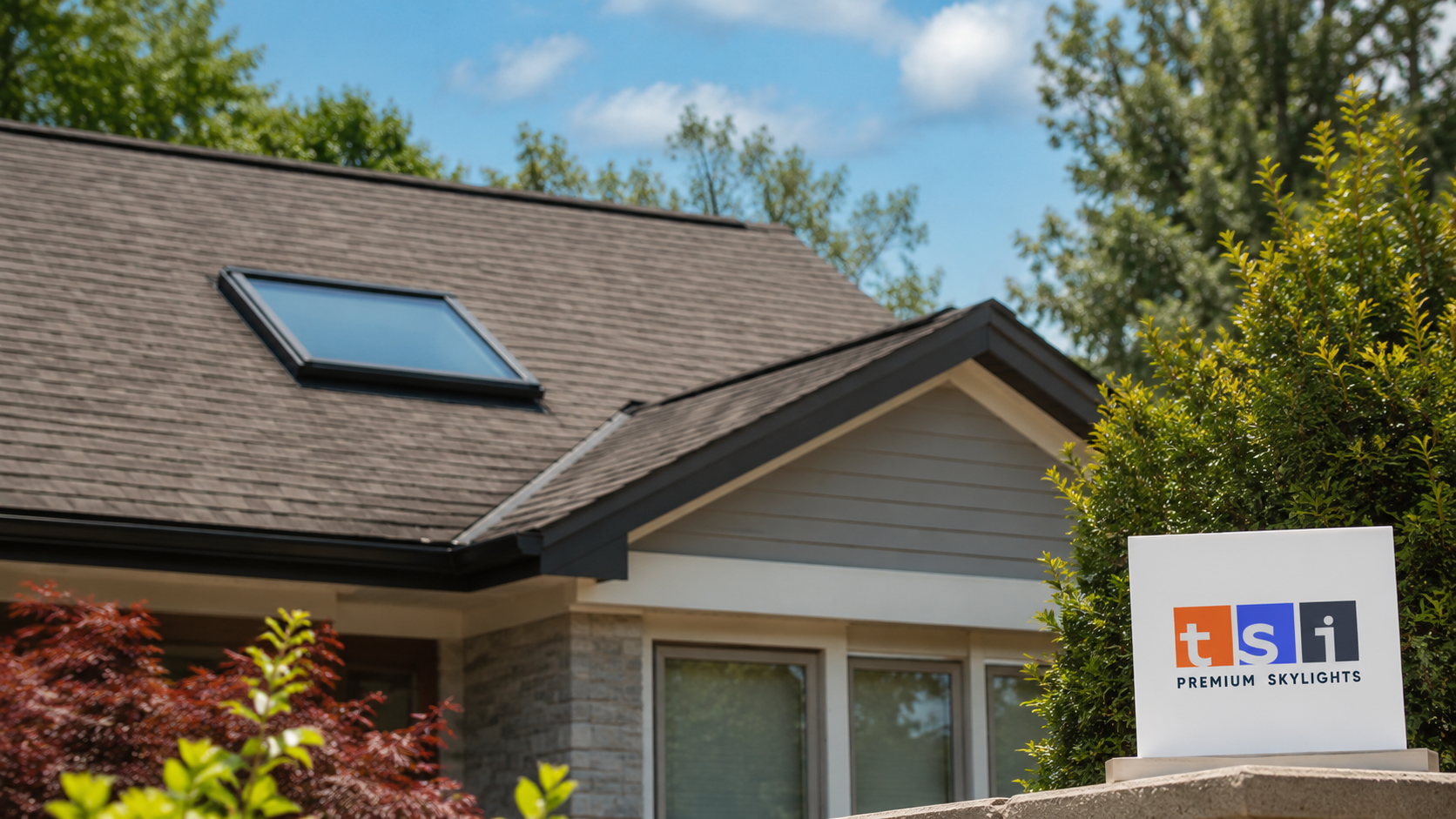
Not every skylight transmits noise the same way, which is the first thing to evaluate in any skylight noise reduction rain hail Toronto plan. Pitch, glazing thickness, frame material and the air gap between glass layers all influence how much sound energy reaches the interior. A steeper roof pitch means raindrops and hailstones strike the glass at more of an angle, which reduces direct impact force compared to a flatter skylight where debris lands with more perpendicular energy.
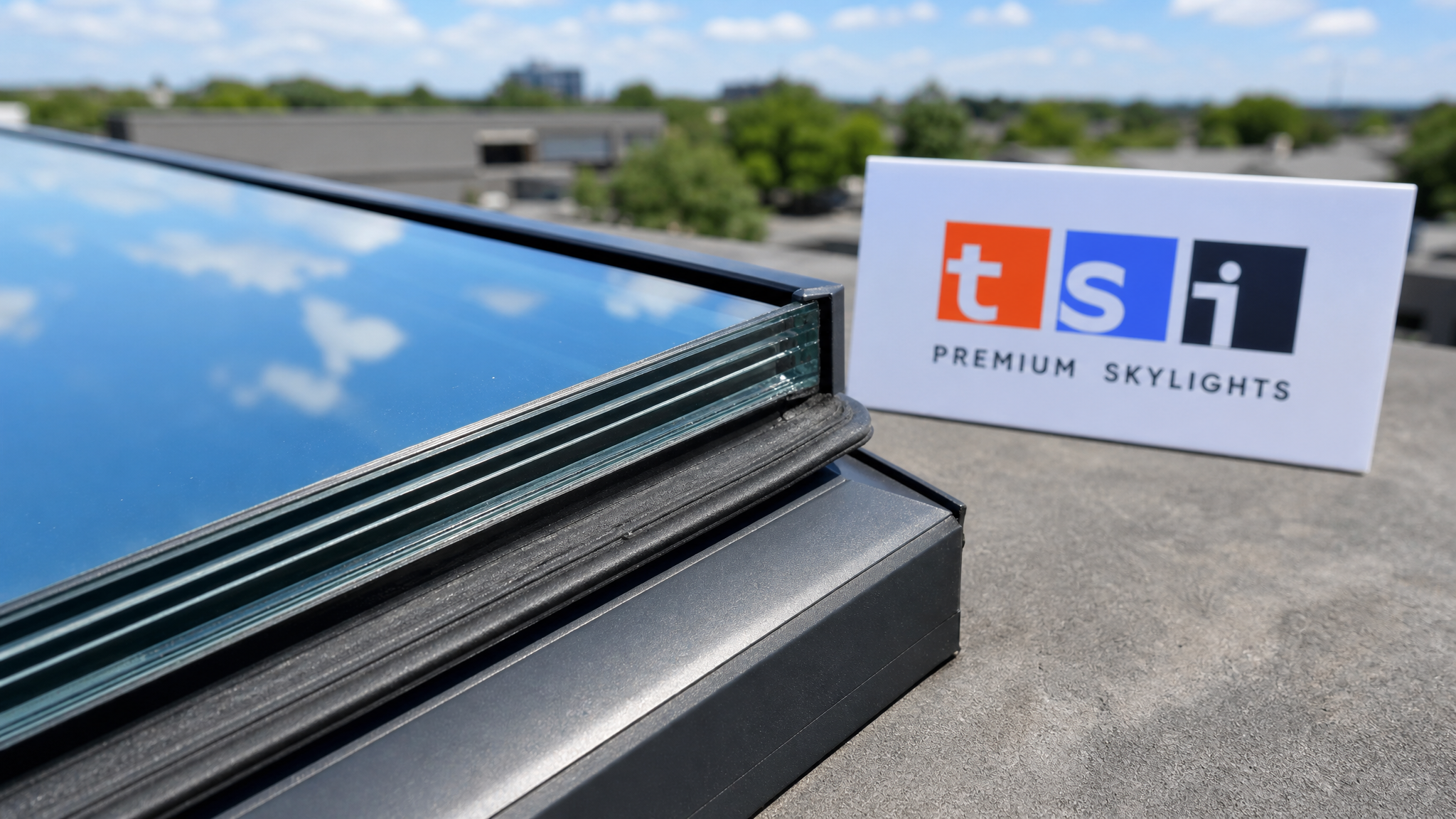
The number of glazing layers matters just as much. A single-pane or older double-pane fixed skylight transmits far more impact noise than a modern triple-glazed unit with a laminated interior layer. Laminated glass includes a thin polymer interlayer that dampens vibration, which is one of the most effective and permanent skylight noise reduction rain hail Toronto upgrades available. When homeowners ask us to compare their existing unit against newer options, we walk them through exactly how glazing construction changes the acoustic profile of the room below.
| Glazing Type | Typical Layers | Relative Noise Level | Best For |
|---|---|---|---|
| Single-pane (older units) | 1 | Very high | Not recommended for GTA climate |
| Standard double-glazed | 2 | High | Budget replacements |
| Double-glazed with laminated interior pane | 2 (1 laminated) | Moderate | Bedrooms, home offices |
| Triple-glazed laminated | 3 (1 laminated) | Low | Master bedrooms, nurseries |
| Triple-glazed acoustic laminated with argon fill | 3 (1 laminated, gas-filled) | Lowest | Homes near busy streets or storm-prone areas |
Frame, Flashing and Insulation Factors in Noise Control
Glass gets most of the attention, but the frame and flashing system play a significant role in any thorough skylight noise reduction rain hail Toronto assessment. A poorly sealed frame allows vibration to travel directly into the surrounding roof deck and drywall, effectively turning the whole opening into a sounding board. Proper flashing, done correctly the first time, isolates the skylight unit from the structural framing enough to reduce the transfer of impact vibration into the ceiling cavity.
Insulation around the skylight shaft, sometimes called the light well, also matters. A shaft that runs from the roof deck down to the ceiling should be insulated and, where possible, lined with a material that absorbs rather than reflects sound. This is one of the most overlooked skylight noise reduction rain hail Toronto techniques because homeowners tend to focus only on the glass itself, when the shaft walls can either dampen or amplify the sound reaching the room.
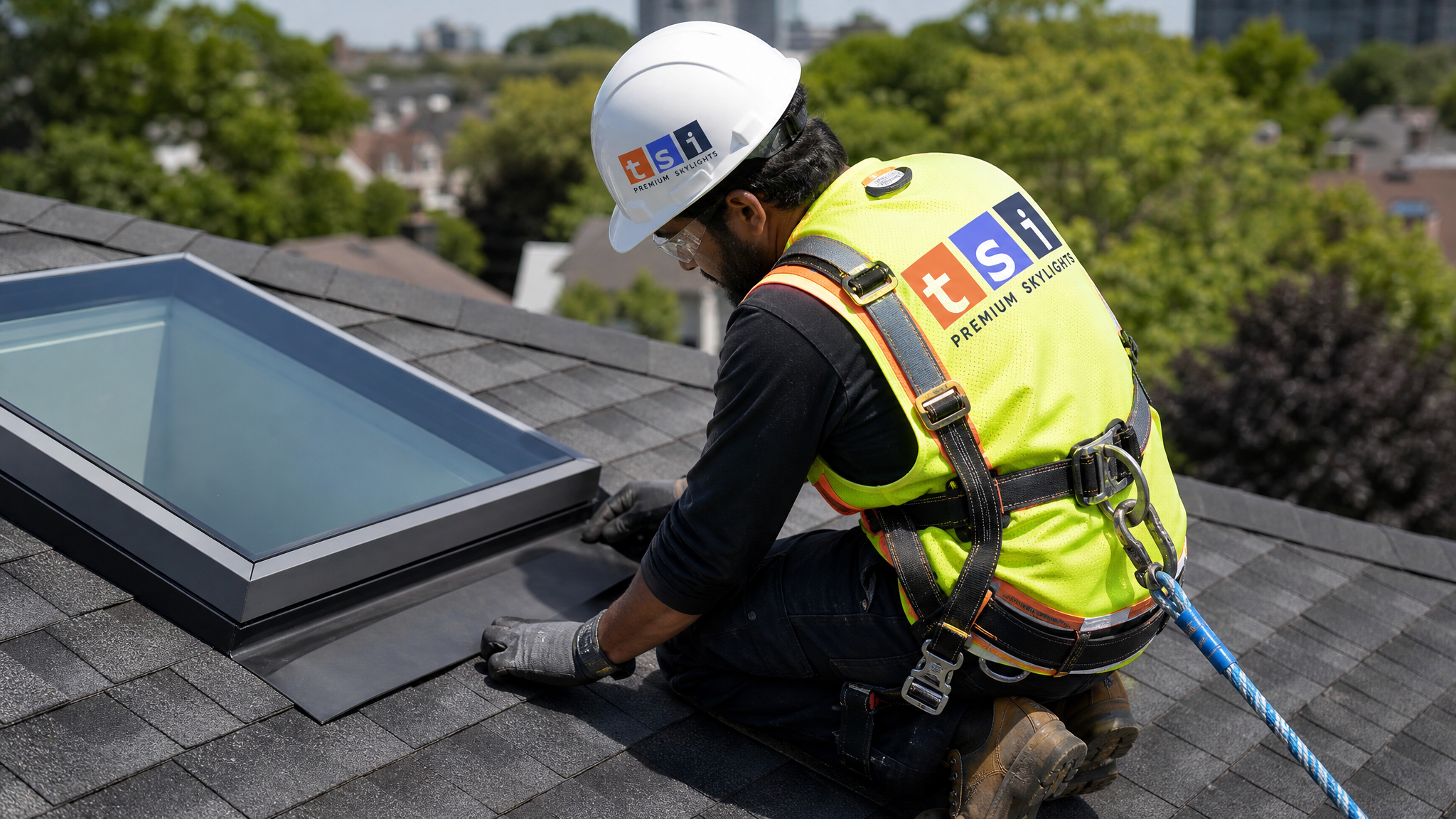
When our technicians perform a skylight replacement, we always inspect the existing flashing and insulation before recommending a new unit, because installing premium acoustic glass into a poorly flashed opening will only deliver a fraction of the noise reduction it is capable of. A complete skylight noise reduction rain hail Toronto upgrade treats the glass, frame, flashing and shaft as one connected system rather than isolated parts.
Interior Solutions That Cut Down Skylight Noise
Beyond the skylight unit itself, several interior treatments can meaningfully improve skylight noise reduction rain hail Toronto outcomes, particularly for homeowners who are not ready to replace their glazing right away. Cellular shades, layered blinds and acoustic curtains around the light well can absorb some of the sound energy before it fully enters the living space. These are not permanent fixes on their own, but they work well as an interim step or as a complement to better glazing.
Some homeowners also add a secondary interior glazing panel below the skylight opening, creating a small air gap that behaves similarly to a double window. This approach is more common in older homes where full skylight replacement is not in the immediate budget, and it can noticeably soften the sharpest impact sounds during a hailstorm while the homeowner plans a longer-term upgrade.
| Interior Treatment | Installation Effort | Noise Impact | Notes |
|---|---|---|---|
| Cellular (honeycomb) shades | Low | Mild reduction | Also helps with heat gain |
| Layered blackout blinds | Low | Mild to moderate | Best for bedrooms |
| Acoustic shaft lining | Moderate | Moderate | Requires access to shaft interior |
| Secondary interior glazing panel | Moderate to high | Moderate | Good interim step before full replacement |
| Full acoustic laminated skylight replacement | High | Significant | Most effective long-term solution |
Comparing Skylight Styles for Noise Performance
Homeowners often ask which style of skylight performs best when the goal is skylight noise reduction rain hail Toronto weather can really test. A sun tunnel skylight, for example, has a smaller glazed surface area and a longer, insulated tube between the roof and the ceiling, which tends to dampen impact noise more than a large fixed unit. A traditional fixed skylight has more glass surface area exposed directly to the elements, so noise reduction depends heavily on the glazing package chosen.
For homes with a low-slope or flat roof, flat roof skylights face rain and hail at closer to a perpendicular angle, which can increase perceived impact noise compared to a steeply pitched unit. This is an important consideration during any skylight installation, since the same glass package will sound different depending on the roof pitch and skylight orientation. A solar powered skylight with a properly sealed vent mechanism can also perform well acoustically, provided the seal around the operable sash is tight and well-maintained.
| Skylight Style | Glass Surface Area | Typical Noise Level | Notes |
|---|---|---|---|
| Sun tunnel skylight | Small | Low | Long insulated tube reduces transfer |
| Fixed skylight (steep pitch) | Medium to large | Moderate | Angle reduces direct impact |
| Fixed skylight (low pitch) | Medium to large | Moderate to high | Closer to perpendicular impact |
| Flat roof skylight | Large | High without upgrades | Benefits most from laminated glazing |
| Solar powered fresh air skylight | Medium | Moderate | Seal quality around vent is critical |
Ventilation, Seals and Long-Term Maintenance
A skylight noise reduction rain hail Toronto plan is never a one-time project, because seals, gaskets and flashing degrade over time with UV exposure, temperature swings and general weathering. A skylight that was reasonably quiet when installed five or ten years ago may become noticeably louder as weatherstripping compresses or flashing begins to loosen. Annual inspection of the seals around any operable vent, along with the condition of the flashing at the roofline, keeps the acoustic performance of the unit closer to its original specification.
For homeowners dealing with an aging skylight that has become a summer storm nuisance, skylight repairs can sometimes resolve noise issues without a full replacement, particularly when the underlying glass is still in good condition and the problem is isolated to worn seals or loose flashing. Our technicians assess each unit individually before recommending repair versus replacement, since a targeted repair is often the more cost-effective route toward better skylight noise reduction rain hail Toronto performance.
Commercial Buildings and Larger Skylight Systems
While most of this guide focuses on residential homes, property managers overseeing multi-unit buildings or retail spaces also raise skylight noise reduction rain hail Toronto concerns, particularly for spaces with large commercial skylights above offices, lobbies or common areas. These larger installations often use structural glazing systems with multiple panels, and acoustic performance can vary significantly across a single roof depending on panel size, support spacing and glazing spec. A commercial property considering a large skylight system should request acoustic specifications alongside thermal performance data, since the two do not always move together in the same product line.
Why Professional Installation Matters for Noise Performance
Even the best acoustic glass will underperform if the new skylight installation is not executed correctly. Gaps in flashing, inconsistent shimming, or an improperly sized rough opening can all introduce vibration paths that bypass the glazing entirely. This is why skylight noise reduction rain hail Toronto results depend as much on workmanship as on the product specification sheet. A skilled installer accounts for the roof pitch, decking material and shaft construction as a complete system, not just a single glass unit dropped into a hole in the roof.
Homeowners across Toronto Skylight Installers‘ service area frequently tell us they assumed noise was simply an unavoidable trade-off for natural light, until a proper installation or upgrade proved otherwise. With the right combination of glazing, flashing, shaft insulation and interior finishing, a skylight can deliver daylight without turning every summer storm into a source of stress.
Homeowners considering a skylight replacement purely for noise performance should also factor in the age of their current unit. Skylights installed more than 15 years ago often use thinner glazing and lighter frame materials than today’s noise-optimized models, so replacing an older unit can deliver a noticeably quieter result even without upgrading to a premium acoustic laminate glass package.
What is the most effective single upgrade for skylight noise reduction rain hail Toronto homeowners can make?
Does the pitch of my roof affect skylight noise during storms?
Can I reduce skylight noise without replacing the entire unit?
Are some skylight styles naturally quieter than others?
How often should skylight seals be inspected for noise-related wear?
Is professional installation really necessary for good acoustic performance?
Get a Quieter Skylight for Toronto Storm Season
If summer storms have made your skylight the loudest spot in the house, a proper skylight noise reduction rain hail Toronto assessment from Toronto Skylight Installers can identify exactly where the noise is coming from and what combination of glazing, flashing and interior treatment will make the biggest difference for your home.
Call us today at (416) 365-7557 or request a free inspection to get started.
Toronto Skylight Installers proudly serves Toronto, Mississauga, Markham, Vaughan, Brampton and Oakville.