

A roof lantern is one of the most striking ways to pour natural light into a Toronto home, and interest in them has grown quickly across the GTA in 2026. Unlike a single flat pane set into the roof deck, a roof lantern is a raised, multi-sided glazed structure that rises above the roofline like a small glass pavilion. It brings sky views, airflow potential and a sense of architectural drama to kitchens, extensions and flat-roof additions. If you have been weighing a roof lantern against a standard skylight for a renovation this summer, this guide walks through the styles, the real costs, the glazing choices and exactly where a roof lantern shines in a Toronto or GTA property. At Toronto Skylight Installers, we design and fit daylighting systems across the region, and a roof lantern is one of the most rewarding upgrades a homeowner can make.
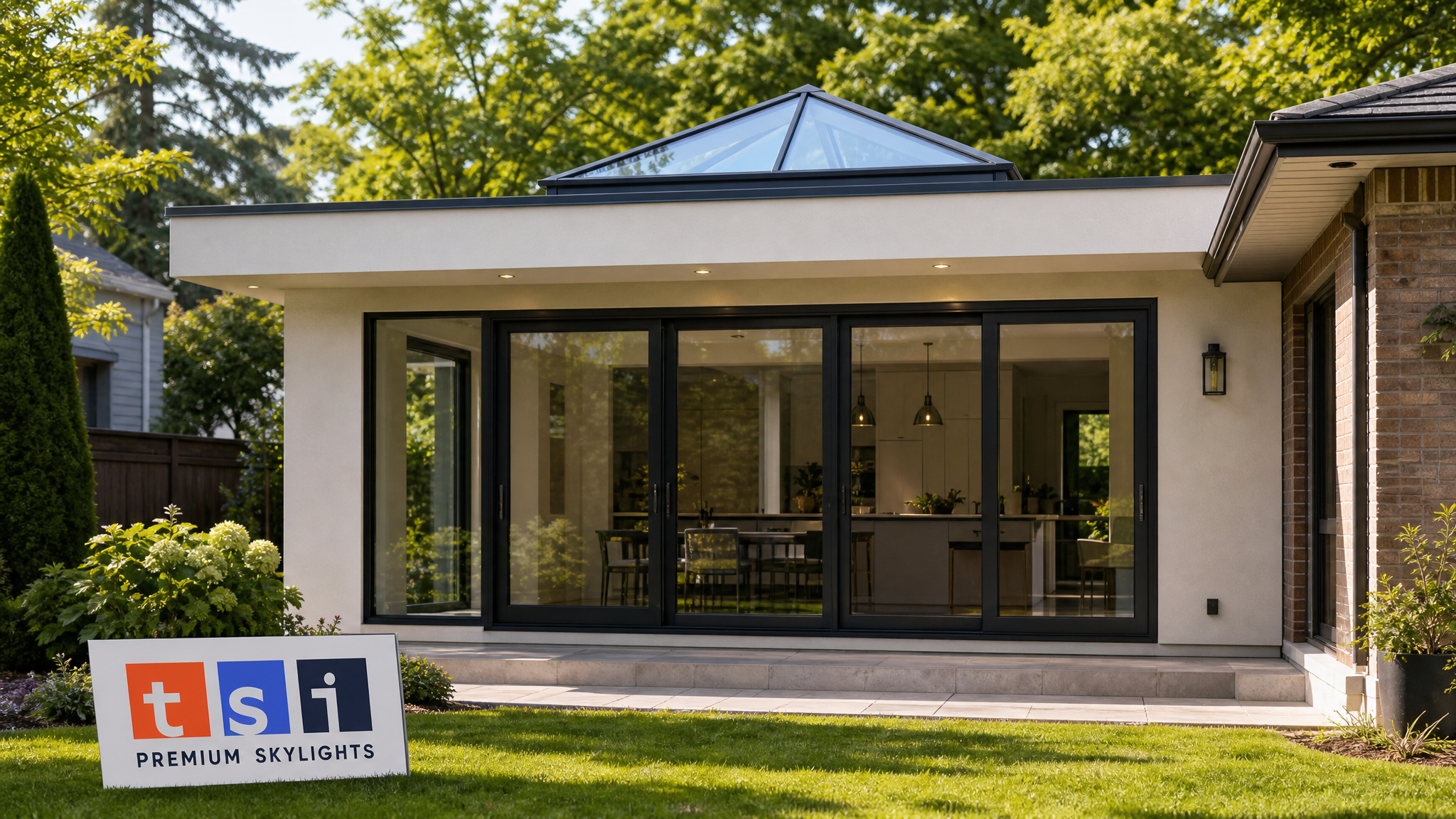
What Is a Roof Lantern and Why Toronto Homeowners Choose One
A roof lantern is a raised glazed roof feature, typically pyramid or hipped in shape, that sits on a flat or low-slope roof and projects upward to form a lantern of glass. The term comes from the way the structure glows from within when lit at night, resembling a lantern on the roofline. Where a conventional flat skylight lies flush with the roof plane, a roof lantern has vertical or angled side panes plus sloped upper panes, which means it captures light from multiple directions throughout the day. For Toronto homes with rear extensions, side-return kitchens or single-storey additions, this multi-angle geometry gathers far more daylight than a flat pane of the same footprint.
The appeal is not only about brightness. A roof lantern adds ceiling height and volume overhead, turning a low, boxy extension into a room that feels open and generous. It creates a focal point that estate agents and buyers notice, and it frames the changing summer sky above the GTA. Because a roof lantern is engineered as a self-contained module with its own kerb, flashing and drainage, it can be integrated cleanly into modern flat-roof construction, the same flat-roof detailing we manage when we fit flat roof skylights for clients across the city.
Roof Lantern Styles for Toronto Homes
Choosing a roof lantern style is about matching the shape to the room below and the character of the house. Toronto’s housing stock ranges from century homes in Leslieville to sharp contemporary builds in North York, so there is no single correct answer. The most common styles we install are the pyramid, the hipped ridge, the contemporary slimline and the traditional Georgian roof lantern. Each has a distinct profile, sightline and price point.
A pyramid roof lantern is a four-sided form that meets at a single apex, ideal for square or near-square openings over a kitchen island. A hipped ridge lantern is longer, with two sloped ends and a horizontal ridge, suiting rectangular extensions and long dining spaces. A slimline contemporary roof lantern uses minimal aluminium sightlines and large panes for an almost frameless look, favoured on modern GTA renovations. A traditional roof lantern reintroduces glazing bars and a period silhouette for heritage-style homes. If you are unsure which direction fits your space, our team can review your roof structure during a skylight installation consultation.
| Roof Lantern Style | Best Suited To | Visual Character | Relative Cost |
|---|---|---|---|
| Pyramid | Square kitchen or island openings | Symmetrical apex, compact | Moderate |
| Hipped ridge | Long rectangular extensions | Elongated, elegant ridge line | Higher |
| Slimline contemporary | Modern flat-roof additions | Minimal frames, maximum glass | Higher |
| Traditional Georgian | Heritage and character homes | Glazing bars, period profile | Highest |
Where a Roof Lantern Shines in a GTA Home
The single best location for a roof lantern in the GTA is over a rear kitchen or kitchen-diner extension. These spaces are often the deepest part of the house and the farthest from exterior walls, so they can feel dim even at midday. Dropping a roof lantern into the centre of the ceiling floods the room with balanced daylight and removes the need for artificial lighting through the afternoon. A roof lantern over a kitchen island doubles as a design centrepiece, drawing the eye upward and making the whole room feel taller.
Beyond the kitchen, a roof lantern performs beautifully over dining rooms, garden rooms, home offices and stairwell voids. In a two-storey home, a roof lantern placed above a stairwell carries light down through the core of the house. On single-storey side-return extensions, common on Toronto semis and row houses, a slimline roof lantern turns a narrow strip into a bright, usable galley. Because our region enjoys long, luminous summer evenings, a roof lantern also captures late western light, extending the feeling of daylight well past dinner. For homeowners weighing a roof lantern against a compact daylight solution for hallways and closets, a sun tunnel skylight can complement the larger feature in smaller adjacent spaces.
Roof Lantern Costs in Toronto for 2026
Budgeting for a roof lantern in Toronto depends on size, style, glazing specification and the amount of structural and flashing work the roof requires. As a general guide for 2026, a modest pyramid roof lantern supplied and installed on a sound flat roof sits at the lower end, while a large hipped ridge lantern with premium glass and a fresh kerb build sits considerably higher. The figures below are typical installed ranges we see across the GTA, covering the roof lantern unit, the upstand kerb, flashing, sealing and labour. They exclude any interior finishing or major structural alterations, which we quote separately after an on-site assessment.
| Roof Lantern Size | Typical Application | Installed Range (2026) | Notes |
|---|---|---|---|
| Small (up to 1.5 x 1.0 m) | Utility, small kitchen | $4,500 – $7,000 | Pyramid, standard glazing |
| Medium (2.0 x 1.5 m) | Kitchen island, dining | $7,500 – $12,000 | Popular GTA size |
| Large (3.0 x 2.0 m) | Open-plan extension | $12,000 – $19,000 | Hipped ridge, upgraded glass |
| Premium (custom / heritage) | Bespoke feature spaces | $19,000+ | Traditional bars, structural work |
Several factors move a roof lantern quote up or down. The condition of the existing flat roof matters most, because a roof lantern needs a properly built, watertight kerb to sit on. Glazing choice is the next largest lever, with solar-control and self-cleaning coatings adding cost but improving summer comfort. Access also plays a role, since a roof lantern on a second-storey extension needs more scaffolding and rigging than one at ground-floor level. If your current roof or an old skylight needs attention before the roof lantern goes in, our skylight repairs team can address it as part of the same project.
Roof Lantern vs Skylights and Flat Glazing
Homeowners often ask whether a roof lantern is worth the premium over a flat skylight. The honest answer is that they solve different problems. A flat skylight is the most economical way to add daylight and works well where a low profile is required or where the roof pitch already exists. A roof lantern, by contrast, delivers dramatically more volume, a stronger architectural statement and multi-directional light gathering. The comparison below sets the two side by side, along with fixed rooflights, so you can see where a roof lantern earns its place.
| Feature | Roof Lantern | Flat Rooflight | Fixed Skylight |
|---|---|---|---|
| Light gathering | Excellent, multi-angle | Good, single plane | Good, single plane |
| Added ceiling volume | High | Minimal | Minimal |
| Architectural impact | Statement feature | Subtle | Subtle |
| Typical cost | Higher | Lower | Lower to moderate |
| Best for | Extensions, kitchens | Low-profile flat roofs | Individual rooms |
If the goal is a bright, dramatic centrepiece over an open-plan space, a roof lantern is the clear winner. If you simply need more light in an individual bedroom or bathroom without the volume, a fixed skylight may be the smarter spend. Many GTA renovations we complete actually combine both: a roof lantern over the main living zone and fixed units or a solar powered skylight in secondary rooms for ventilation. When an older unit is failing, a straight skylight replacement is sometimes the better value than upgrading to a full roof lantern.
Glazing, Materials and Summer Performance
The glass and frame of a roof lantern determine how comfortable the room below feels through a hot Toronto summer. A large expanse of overhead glazing can gain heat quickly, so specifying the right coating is essential. Modern roof lantern glazing uses double or triple sealed units with a low-emissivity coating and, ideally, a solar-control layer that reflects a portion of the sun’s heat while keeping the glass visibly clear. A neutral solar-control coating keeps the room bright without the blue tint some older glass produced, and self-cleaning outer surfaces reduce maintenance on panes that are hard to reach.
Frames are almost always thermally broken aluminium, which is slim, strong and low-maintenance, allowing a roof lantern to hold large panes with narrow sightlines. Powder-coated finishes let you match the frame to window colours across the home. The table below outlines common glazing and frame options and what they deliver for summer comfort in the GTA.
| Specification | What It Does | Summer Benefit | Consideration |
|---|---|---|---|
| Double glazed, low-E | Standard sealed unit | Good insulation | Entry-level comfort |
| Solar-control coating | Reflects solar heat | Cooler room below | Recommended for GTA sun |
| Triple glazing | Extra insulating pane | Best thermal control | Heavier, higher cost |
| Self-cleaning glass | Breaks down surface dirt | Less maintenance | Small price premium |
Installing and Caring for Your Roof Lantern
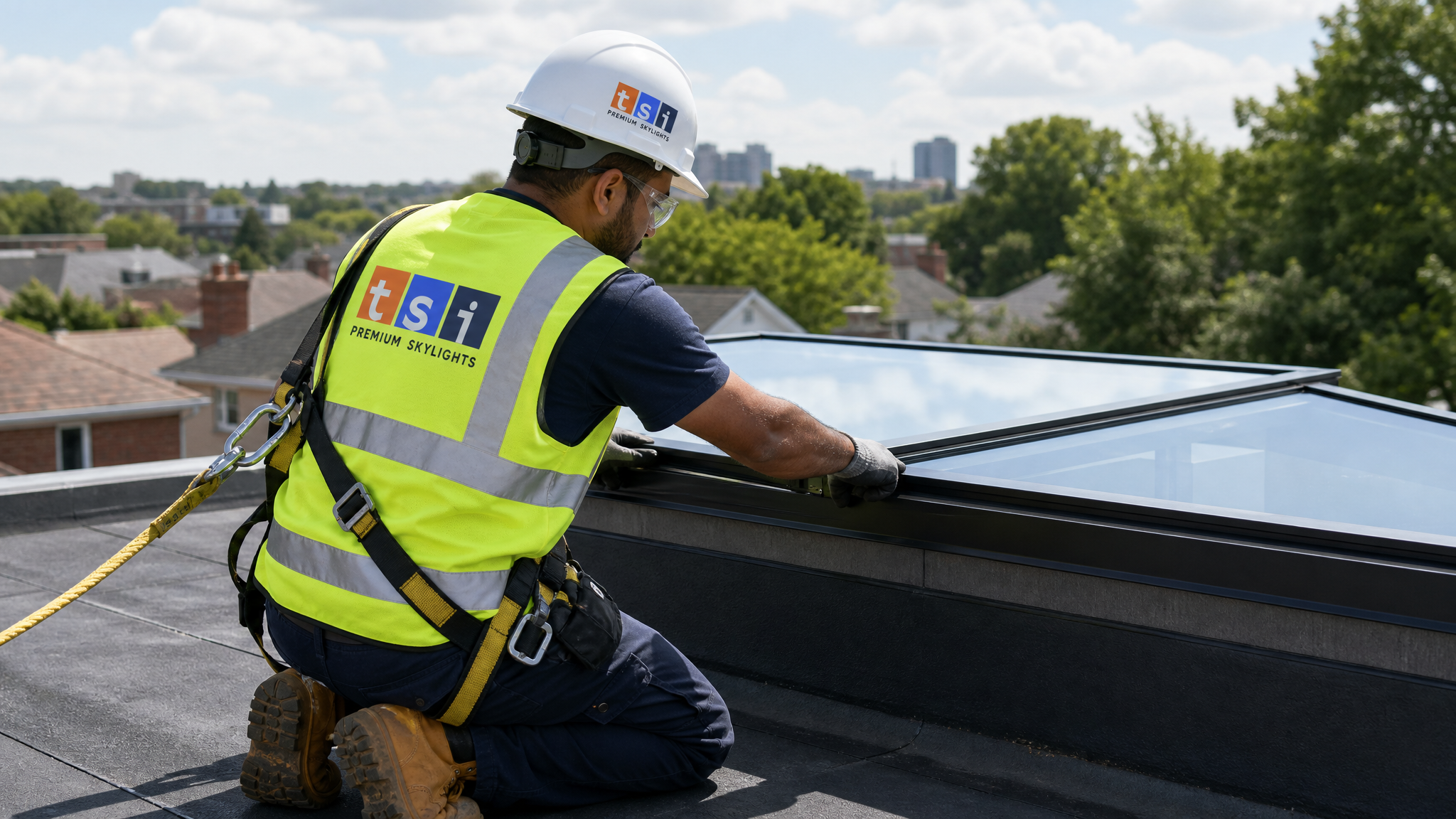
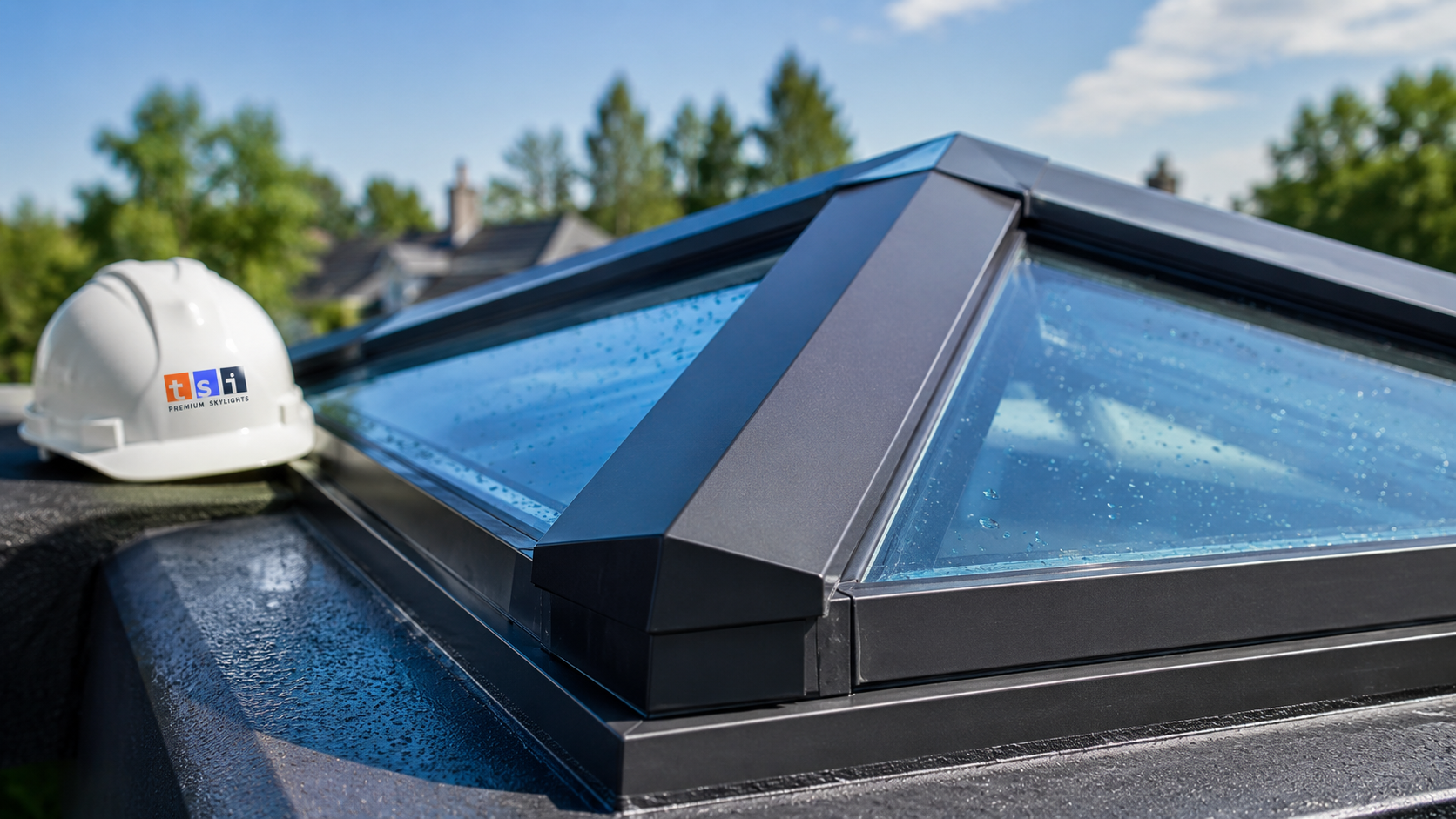
A successful roof lantern installation is roughly half preparation and half glazing. The critical stage is the kerb, or upstand, a raised frame built on the flat roof that lifts the roof lantern above the water line and provides a sound base for flashing. If the kerb is built and flashed correctly, a roof lantern stays watertight for decades. Our crews build the upstand, integrate it with the flat-roof membrane, then set and seal the aluminium framework before the glazing units go in. Summer is an excellent season for this work in Toronto because dry, warm conditions let sealants and membranes cure properly.
Ongoing care for a roof lantern is minimal. An annual visual check of the seals and flashing, a gentle clean of the glass where reachable, and clearing any debris from the surrounding roof are usually all that is needed. Self-cleaning glass reduces even that. Because a roof lantern is engineered as a unit, individual glazing panes can be replaced if damaged without dismantling the whole structure. The same principles apply to larger builds, which is why property managers often ask us about commercial skylights and lanterns for offices and retail spaces alongside residential projects.
What exactly is a roof lantern?
How much does a roof lantern cost in Toronto?
Is a roof lantern better than a skylight?
Will a roof lantern make my room too hot in summer?
Does a roof lantern need a special roof structure?
How long does a roof lantern last?
Bring a Roof Lantern to Your Toronto Home
A roof lantern is one of the most transformative daylight upgrades you can add to a GTA property, and the warm, dry summer season is the ideal time to install one. Whether you are planning a new kitchen extension, refreshing a dim dining room or reimagining an open-plan living space, the specialists at Toronto Skylight Installers will help you choose the right style, glazing and layout for your home.
Call us today at (416) 365-7557 or request a free inspection to get started.
Toronto Skylight Installers proudly serves Toronto, Mississauga, Markham, Vaughan, Brampton and Oakville.