

Ask a skylight crew when the best time to install a skylight is and most will give you the same answer: early autumn. The days are still mild, the humidity of midsummer has eased, stretches of dry weather are common, and the job is finished before the furnace starts running for the season. That does not mean you cannot install a skylight in other months. It means that from late August into October, the conditions line up in favour of the materials, the crew and the finished result.
This article explains why, from an installer’s point of view. It covers what temperature does to sealants, underlayments and shingles, the weather that makes a crew postpone, how long units and blinds take to arrive, and how to fit a skylight around other roof work so you are not paying twice to open the same area.
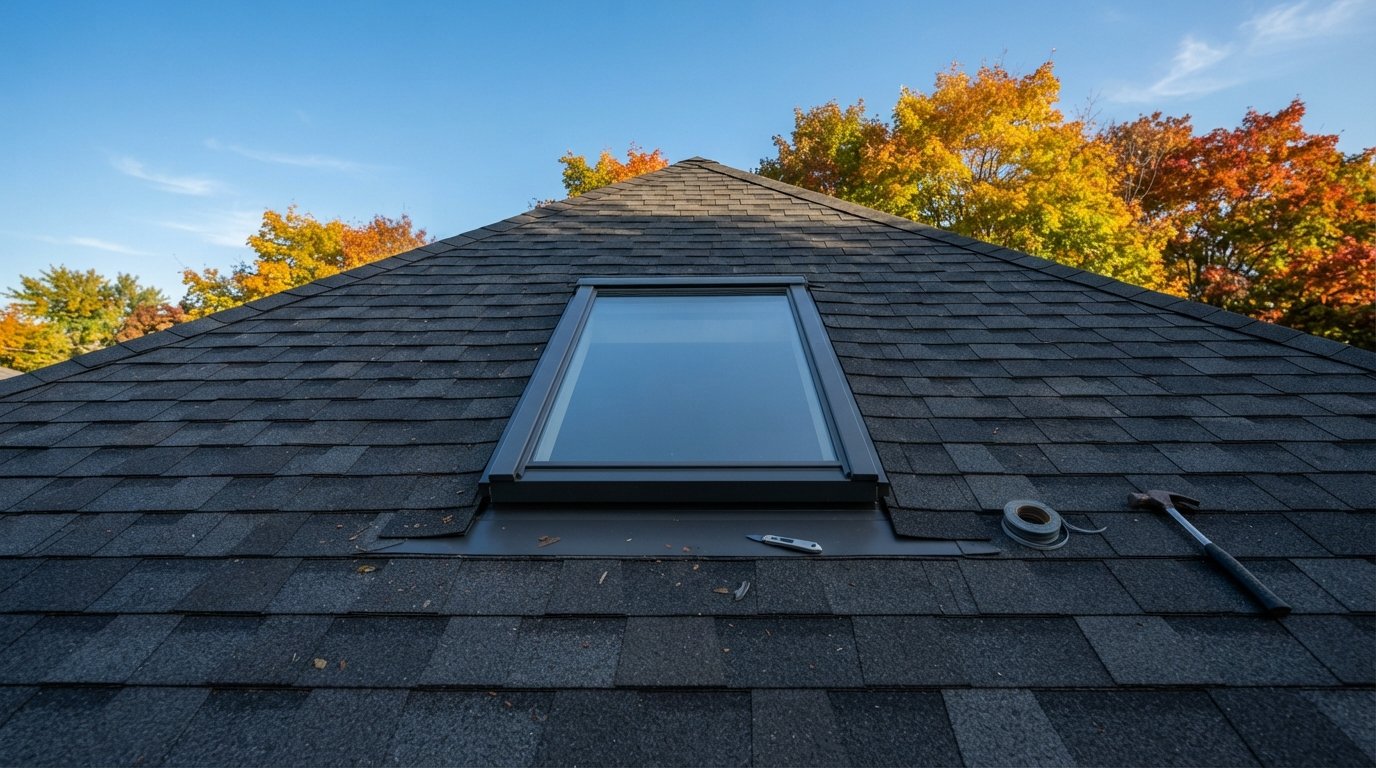
What Makes Early Autumn The Best Time To Install A Skylight
A skylight installation is a controlled sequence: cut the roof open, frame, set the unit, flash it, weave the shingles back, then finish the inside. Every step relies on weather to some degree, but three stand out.
- Bonding. Self-adhered underlayment collars, flashing tapes and sealants are designed to bond within a range of temperatures. Mild days with dry surfaces are right in the middle of that range.
- Shingle behaviour. Asphalt shingles are pliable enough to lift and weave without cracking in mild weather, but not so soft that they scuff and tear under boots as they can on very hot days.
- Time to settle before the cold. Shingle sealant strips around the new flashing need sun and warmth to activate. Installing in early autumn gives them several weeks to seal down before temperatures drop.
There is a practical reason too. Any skylight changes how heat and moisture move at the ceiling. Installing before the heating season lets you see how the new unit and shaft behave as nights cool, and deal with any adjustment, such as extra insulation around the shaft, while the weather still allows it. For an overview of how the work is done from start to finish, see our page on professional skylight installation for homes.
How The Seasons Compare
Every season has trade-offs, and the best time to install a skylight on your house also depends on your schedule and the rest of your roof. The table below summarizes how installers typically see each time of year in southern Ontario. Actual conditions vary from year to year, so treat this as a general guide rather than a rule.
| Season | Advantages | Drawbacks | Overall fit |
|---|---|---|---|
| Spring | Mild temperatures; long days ahead | Frequent rain delays; roofing trades are busy after the cold months | Good, if you can be flexible on dates |
| Summer | Long, dry days | Hot roofs are hard on shingles and crews; sealants can run; mid-afternoon storms | Workable, with early starts |
| Early autumn | Moderate temperatures, drier stretches, time for shingles to seal | Demand rises as owners plan ahead of the cold, so book early | Often the best time to install a skylight |
| Late autumn | Still possible on mild days | Shorter days, cold mornings, more rain and wind | Fine for smaller jobs; watch the forecast closely |
| Cold months | Crews have more availability | Cold slows bonding; frost and wet roofs limit working hours | Mainly for replacements and urgent repairs, with cold-weather products and methods |
Spring is the close runner-up for the best time to install a skylight. The main difference is rain: spring often brings more wet days, and a skylight opening cannot be left open in rain. In early autumn, the chance of finding a clean, dry installation day at short notice tends to be better.
Why Materials Care About Temperature
It is easy to think of a skylight as glass and a frame. In practice, the waterproofing around it is a system of layers that all behave differently in heat and cold.
Self-adhered underlayments and flashing collars
Most modern skylight flashing kits include a self-adhered underlayment collar that seals the frame to the roof deck. These membranes rely on a sticky, rubberised layer to bond to wood and to themselves. Manufacturers publish minimum application temperatures and surface conditions on their data sheets. In the cold, the adhesive stiffens and may not grab properly; on a very hot roof, it can become messy and difficult to position. Mild, dry days let it go down cleanly and seal fully.
Sealants
Sealants are used sparingly in a good installation, mainly at specific points the manufacturer calls for. Like membranes, they have temperature ranges for application and curing. Cold slows curing, and damp surfaces prevent adhesion. Early autumn gives them good conditions to cure before exposure to harsher weather.
Shingles
Asphalt shingles must be lifted, cut and woven around the new flashing. In cool weather they become stiff and can crack along the nail line when lifted. In strong summer heat they soften, and foot traffic can scuff away granules. Early autumn sits comfortably in between. The self-sealing strips on the replaced shingles also need warmth to bond, which is why a few weeks of mild sun after installation is valuable.
Weather Conditions That Stop A Crew
Even in the best season, a professional crew will postpone rather than work in the wrong conditions. When a skylight opening is cut, the house is exposed until the unit is set and the underlayment collar is on. These are the conditions most crews avoid.
| Condition | Why crews avoid it | What they usually do instead |
|---|---|---|
| Rain forecast within the working window | An open roof lets water into the attic and ceiling | Reschedule or start only if the unit can be sealed well before the rain |
| Strong or gusty wind | Large glass units act like sails and are dangerous to carry on a roof | Wait for calmer conditions, especially for large or heavy units |
| Heavy dew or frost in the morning | Wet or frosty surfaces are slippery and stop membranes from bonding | Delay the start until the roof has dried in the sun |
| Very high heat on the roof | Soft shingles scuff, sealants run and heat stress affects the crew | Start early and finish the roof work by midday |
| Cold below the product’s application range | Membranes and sealants may not bond properly | Use cold-weather products and methods or wait for a milder day |
This is why a reputable installer’s schedule can shift by a day or two. It is not disorganization; it is protecting your house. If your installer is willing to cut a hole in the roof with a storm on the way, that tells you something.
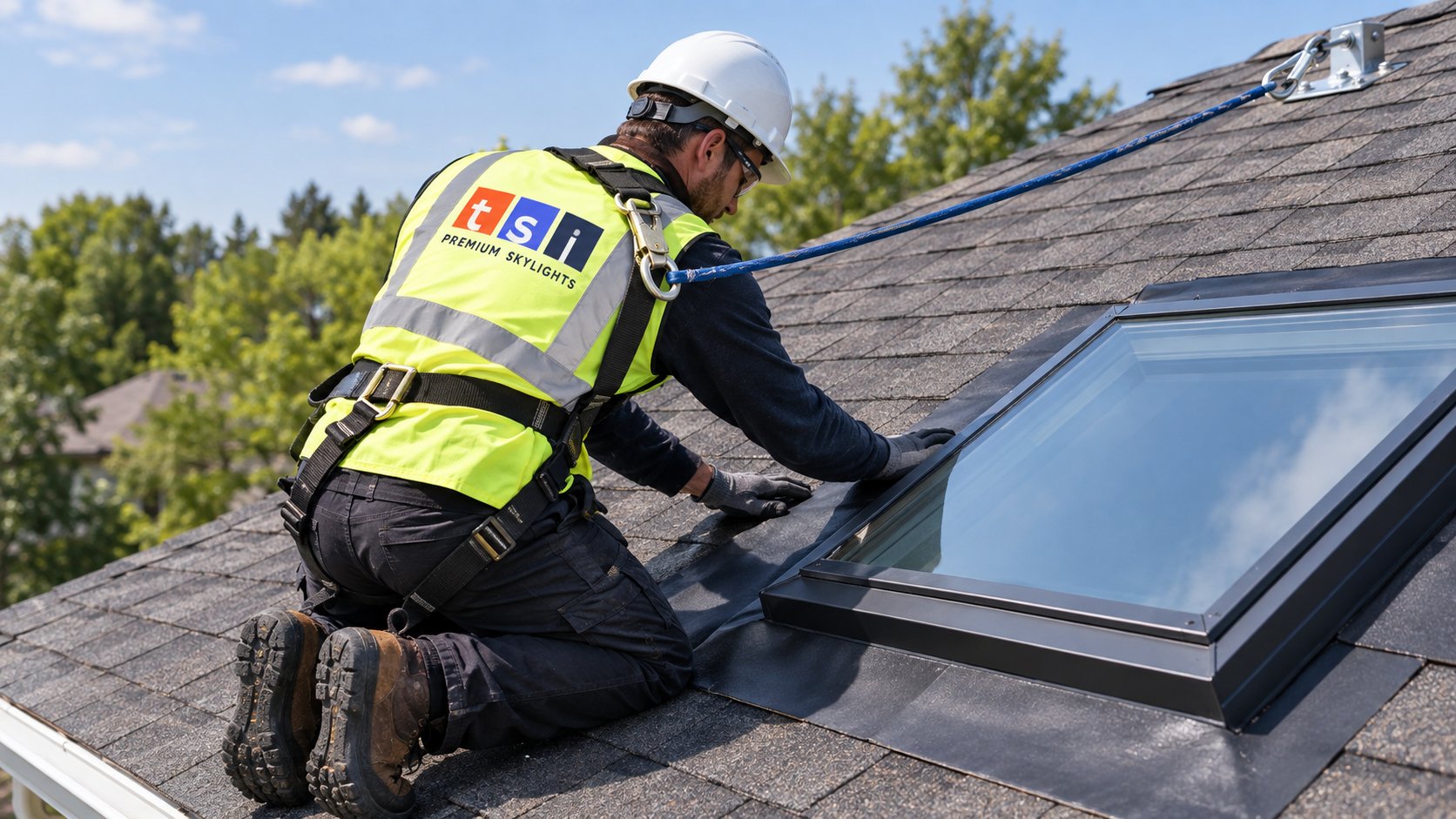
Lead Times: Units, Flashing And Blinds
If early autumn is the best time to install a skylight, the planning should start earlier. Here is what usually needs to happen before an installation day, with rough timeframes that vary with the product and the supplier.
- Site visit and measurement. An installer checks the roof pitch, rafter spacing, attic space and the room below. This is where the size and position are chosen.
- Ordering the unit. Common sizes of fixed skylights and venting units are often available within a short time. Less common sizes, special glazing or powered options can take several weeks.
- Flashing kit. The kit must match the roof material and the unit. It is usually ordered with the skylight.
- Blinds and shades. Factory-fitted blinds are easiest to install at the same time as the skylight, but they may have their own lead time. Ordering them with the unit avoids a second visit.
- Permits, if needed. Most straightforward skylight installations on houses do not change structure significantly, but larger openings that cut rafters can. Check with your municipality early, because permit reviews add time.
Working backwards, and given a typical six to eight week lead time, if you want a skylight installed in early autumn, it makes sense to arrange the site visit in mid to late summer. That leaves time to choose the unit, order it with blinds, and book an installation date before demand peaks. The timeline below is a typical pattern, not a promise; supplier stock and permit reviews can move it in either direction.
| Weeks before installation | Step | Why it matters |
|---|---|---|
| 6 to 8 weeks | Site visit, measurements and quote | Confirms size, position and whether framing changes or a permit may be involved |
| 5 to 7 weeks | Choose the unit, glazing, flashing kit and blinds | Special sizes, powered units and blinds tend to have the longest lead times |
| 4 to 6 weeks | Place the order; check permit needs with the municipality | Gives the supplier time to deliver and the building department time to respond |
| 2 to 3 weeks | Coordinate with the roofer or other trades if needed | Avoids opening the same roof area twice |
| The week before | Confirm the date and a backup date; clear the room below | Weather can move the day, so a second option keeps the project on track |
| Installation week | Roof work on the driest, mildest day available; interior finishing follows | Gives the waterproofing layers the best conditions to bond |
Owners who start this process in September can still hit the best time to install a skylight, especially with a standard size that is in stock. The later you start, the more the schedule depends on the forecast.
What to have ready for the site visit
A few details make the visit more productive. Know which room you want to brighten and what bothers you about it now: dimness, stale air, no view of the sky. Clear a path to the attic hatch so the installer can check the rafters, insulation and any wiring or ducts near the planned opening. If you have any documents from a previous re-roof, including the shingle brand and colour, keep them handy, since they help with matching around the new flashing.
Choosing a venting unit or a fixed one
Your choice affects lead time and the installation itself. A solar-powered fresh-air skylight opens for ventilation without any wiring to the house, which keeps installation simple while adding a rain sensor and remote control. Manual and electric venting units are also available. Discuss with your installer which suits the room, and order early if you choose a powered model.
Planning Around Other Roof Work
The single biggest way to save money on a skylight is to install it while the roof is already being worked on. If your shingles are near the end of their life, installing a skylight now and re-roofing in two years means the flashing area is disturbed twice. Planning both together avoids that.
- If a re-roof is planned soon: Coordinate the skylight installation with the roofer so the opening is framed, the unit set and the flashing installed as the new roof goes on. Many owners use this as the moment to replace older skylights too.
- If the roof is newer: Installing a skylight is still straightforward. A good installer will weave new flashing into the existing shingles without damaging the surrounding roof.
- If the roof is under warranty: Check whether cutting a new opening affects the roofing contractor’s workmanship warranty and whether they need to be involved.
- If attic work is planned: Adding insulation, improving ventilation or doing electrical work in the attic is easier before or with the skylight installation, since the shaft will change access.
Roofers in the GTA often have full schedules in early autumn, because many owners want roof work done before the colder months. If you are coordinating trades, book both early and confirm dates in writing. Our team, including crews providing skylight installation, replacement and repair across York Region, regularly coordinates with roofers to fit skylight work into a re-roof schedule.
What If You Miss The Window?
If autumn gets away from you, you have not lost your chance; the best time to install a skylight is a preference, not a deadline. A skylight can be installed in colder months with the right products and methods, such as cold-weather membranes and careful scheduling around dry, milder days. The work may take longer and the schedule is more at the mercy of the forecast. For a new installation that is not urgent, many owners prefer to wait for spring.
Leaks and broken units are a different matter. If an existing skylight is leaking or damaged, repairs should not wait for good weather. Temporary protection and repairs can be done in most conditions, and a proper replacement can follow when the weather allows.
Finally, remember that while the best time to install a skylight is the best time for the roof work, it is not necessarily the best time for the interior. Drywall finishing, painting and trim in the light shaft need reasonable indoor conditions, which you have in any season. Most installers finish the shaft to a ready-for-paint stage on the same visit or soon after.
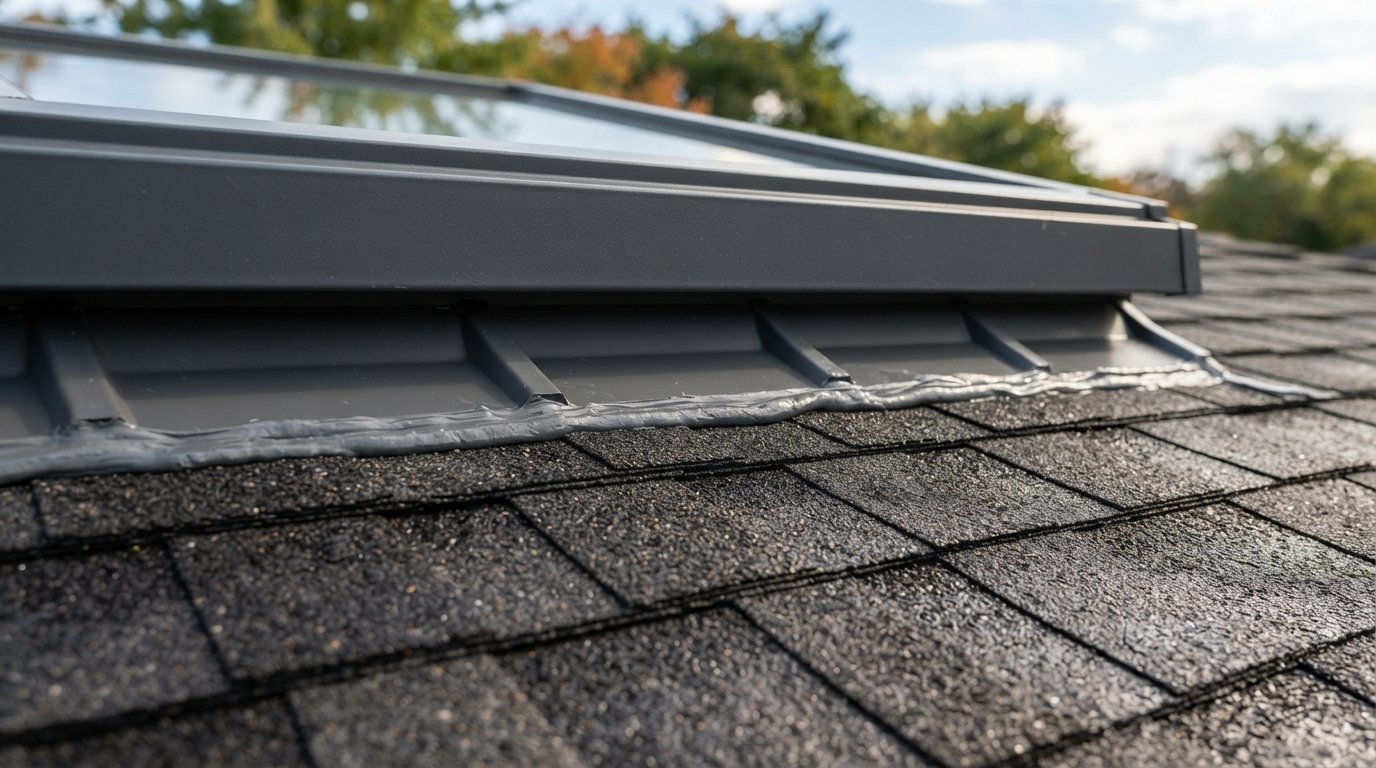
Skylight Timing Questions
Why do installers prefer early autumn?
Can a skylight be installed in cold weather?
How far ahead should I book?
Is summer a bad time for skylight installation?
Should I install a skylight before or after a re-roof?
What weather will delay my installation?
Planning Your Installation Date
Toronto Skylight Installers can visit, measure and recommend a skylight and blinds that suit your room, then schedule the installation for a dry, mild day. In-stock sizes can still go in during October; otherwise, a mild dry late-autumn day or the spring is the sensible target. We will also help you coordinate with any planned roof work.
Call us today at (416) 365-7557 or request a free estimate.
Serving homeowners in York Region and across the wider GTA.