

Skylight frame materials get less attention than glass when people shop for a new unit, yet the frame is what you look at from below every day, and it decides how the skylight copes with bathroom steam, condensation and decades of Ontario freeze-thaw. Most residential skylights sold in Canada use some combination of wood, vinyl, aluminum and, in some product lines, moulded polyurethane, often with different materials inside and out.
Below we look at how each material behaves, where it suits best, how to look after it, and what to ask when you are choosing a replacement. It is about the building product, the frame and sash that hold a skylight’s glass, not about picture frames or digital photo displays that happen to share the name.
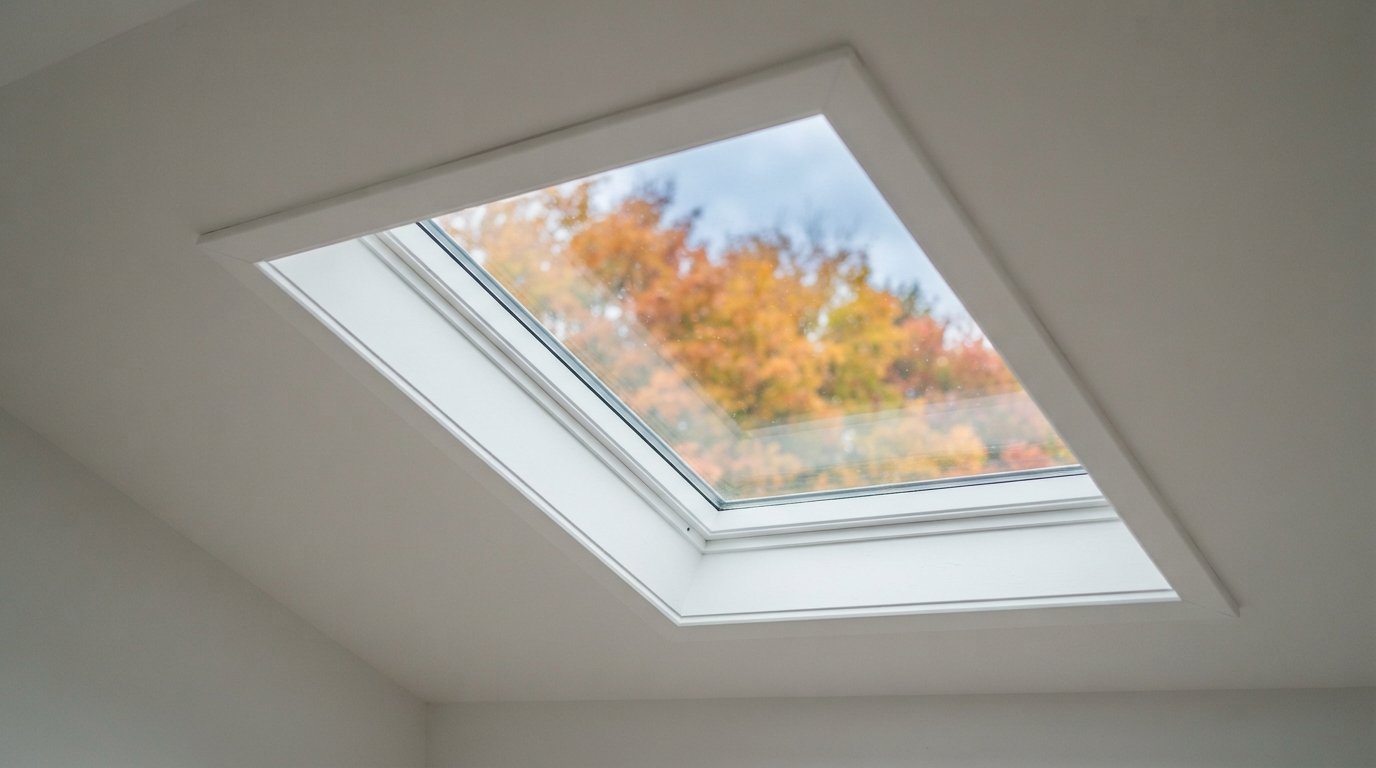
How skylight frame materials are combined
A skylight has two main structural parts around the glass. The frame is fixed to the roof deck or curb. On venting models, the sash is the moving part that holds the glass and opens. Each can be made of one material or several, and manufacturers commonly pair a warm, finished material on the room side with a weatherproof cladding on the roof side.
The most familiar combination on deck-mounted residential skylights is a wood interior with aluminum cladding outside. Curb-mounted and flat roof units more often use vinyl (PVC) frames, which shrug off moisture. VELUX’s current Canadian catalogue, for example, describes its flat roof skylights as having an insulated PVC frame, describes white frames and sashes on its curb-mounted range, and lists copper cladding and a stain-grade wood interior as options to ask about on its deck-mounted range. Exact materials vary by brand, model and market, so always check the specification sheet for the specific product.
For a non-opening unit, such as a fixed skylight, there is no sash to worry about, so frame choice is mainly about appearance, condensation and maintenance.
| Material | Where it is used | Strengths | Weaknesses |
|---|---|---|---|
| Wood (usually factory-finished softwood) | Interior frame and sash, under exterior cladding | Warm look, insulates well, can be repainted or refinished | Finish must be maintained; vulnerable to persistent moisture |
| Vinyl (PVC) | Curb-mounted and flat roof frames, some interiors | Moisture-proof, insulating, low maintenance | Limited colours; painting generally not recommended; expands with heat |
| Aluminum | Exterior cladding, commercial framing systems | Strong, slim, durable outdoors, factory finished | Conducts heat; interior aluminum needs a thermal break to limit condensation |
| Moulded polyurethane over a wood core | Interior frame and sash in some roof window lines | Seamless, moisture resistant, easy to clean | Not offered in every market or model; cannot easily be stained |
| Copper cladding | Exterior cladding option on some units | Distinctive appearance that weathers to a patina | Higher cost; must be compatible with surrounding flashing metals |
Wood frames: warm, repairable, and dependent on their finish
Wood remains the most traditional of the skylight frame materials for interiors because it looks at home in living spaces, insulates well and can be refinished. On modern skylights it is normally factory-painted white or finished with a clear coat, and the exterior side is covered by aluminum cladding so the wood never sees rain, sun or snow directly.
The weakness of wood is moisture. A skylight over a busy shower or a kitchen range, in a house with high winter humidity, will see condensation run down the glass and onto the frame. Over the years that can break down the finish at the bottom rail, raise the grain, and eventually lead to staining, mould spots or soft wood. The fix is partly ventilation and partly upkeep: keep the finish intact, wipe heavy condensation away, and run exhaust fans long enough to clear the room.
In older skylights, especially site-built units with exposed wooden curbs, rot often starts outside rather than in. Water gets past failed flashing or cladding and sits against the wood through freeze-thaw cycles. If you see dark staining on the interior frame or drywall around it, the cause may be a leak rather than condensation, and it is worth having the exterior checked.
Vinyl frames: moisture-proof and low maintenance
Among skylight frame materials, vinyl (PVC) is the most forgiving of moisture. It does not absorb water, rot or need paint, which makes it a sensible material for curb-mounted units, flat roof skylights and humid rooms. Multi-chamber vinyl profiles also insulate reasonably well, which helps keep the frame surface warmer and reduces condensation compared with an uninsulated metal frame.
Vinyl’s trade-offs are appearance and movement. Colour choices are limited, and most manufacturers advise against painting vinyl frames, because ordinary paints may not bond well and dark colours absorb more heat, which can distort the profile. Vinyl also expands and contracts more than wood with temperature, so good units are designed to accommodate that movement. Exterior vinyl is formulated to resist UV, but very old vinyl can chalk or yellow slightly over many years.
Aluminum: strong outside, careful inside
Aluminum is the workhorse exterior material. As cladding over wood or vinyl, it sheds water, resists UV, and keeps its factory finish for many years with little attention. Grey is the common standard colour on residential cladding, and some ranges offer other colours. On commercial skylights, larger glazed systems are often framed entirely in aluminum.
The catch is that aluminum conducts heat very well. A frame made of plain aluminum on the room side runs cold in winter and collects condensation. That is why aluminum framing intended for heated buildings uses a thermal break, an insulating section that separates the inside and outside metal. On residential skylights, aluminum usually stays outside as cladding, with wood, vinyl or polyurethane facing the room.
If you are replacing an older skylight with a thin aluminum frame that drips in cold weather, a modern unit with an insulating interior frame and better glass is often the simplest cure, and our skylight replacement visits start by checking whether the shaft needs work too.
Polyurethane frames: built for humid rooms
Some roof window and skylight lines use a wood core encased in moulded polyurethane with a white finish. The result looks like painted wood from a distance but has a seamless, moisture-resistant surface that is easy to wipe clean and does not need repainting. It is especially well suited to bathrooms, kitchens and laundry rooms, where condensation would challenge a painted wood finish.
Availability is the main limitation. Polyurethane options are offered in some markets and model ranges but not in others, and the selection sold in Canada may differ from what you see on international websites. Ask your installer which frame finishes are actually available for the unit and size you need here.
Appearance and energy: what the frame contributes
Skylight frame materials also shape how a unit looks from inside and out. A painted wood or white vinyl interior disappears into a white ceiling. A stain-grade wood interior, where offered, suits rooms with wood trim or exposed beams. Outside, most cladding is a neutral grey, and some ranges now offer darker colours; VELUX Canada, for example, lists a black-frame version of its FCM curb-mounted skylight. Darker exterior colours can look sharp on modern homes, though they run warmer in summer sun.
On energy, the frame matters more than people expect. A skylight’s rated U-factor describes the whole product, glass and frame together, and a conductive frame drags that number down. When you compare units, ask for the whole-product rating rather than a centre-of-glass figure, and check whether the product is ENERGY STAR certified for Canada. Two skylights with identical glass can perform differently because their frames differ.
Condensation, bathrooms and frame choice
Condensation forms on the coldest surface in a room. On a skylight that is usually the glass edge and the bottom of the frame, where cold air in the shaft settles on winter nights. The frame material affects how cold that surface gets and how well it tolerates the water that does form.
| Room or situation | Frame materials that usually suit | What else helps |
|---|---|---|
| Bathroom with a shower | Vinyl or polyurethane interior; well-maintained wood with a good exhaust fan | Venting skylight or fan run long enough to clear steam |
| Kitchen near the range | Vinyl or polyurethane, or wood kept well finished | Range hood vented outdoors, cleaning grease film regularly |
| Bedroom or living room | Wood for appearance, or any insulated frame | Shades to reduce heat loss and night-time condensation |
| Flat or low-slope roof | Insulated vinyl or PVC curb-mounted or flat roof units | Proper curb height and drainage |
| Commercial or large glazed system | Thermally broken aluminum framing | Condensation gutters and humidity control |
Whatever the frame, the shaft matters as much as the material. A shaft that is poorly insulated or leaks warm air into the attic will cause condensation and frost no matter what the frame is made of. When we replace skylights for homeowners, including through our Peel Region skylight installation, replacement and repair team, we look at the shaft and the room’s ventilation before recommending frame materials.
Painting, refinishing and cladding care
Different skylight frame materials need different care, and getting it wrong can damage the unit or affect its warranty. Check the manufacturer’s care instructions and current warranty documents before refinishing anything.
- Wood interiors. When the finish wears, a light sanding and a compatible primer and paint, or a matching clear coat, restores protection. Keep paint off gaskets, weatherstrips and any ventilation flap, and protect the glass. Clear-finished wood can be refreshed with a compatible clear coat.
- Vinyl. Clean with mild soap and water. Avoid solvents and abrasive pads, and do not paint unless the manufacturer specifically approves a product and colour.
- Polyurethane. Wipe clean with mild cleaners. It is designed not to need repainting.
- Aluminum cladding. Rinse away debris and check for dents, loose pieces and failed sealant joints. Damaged cladding is usually replaced rather than repainted on site.
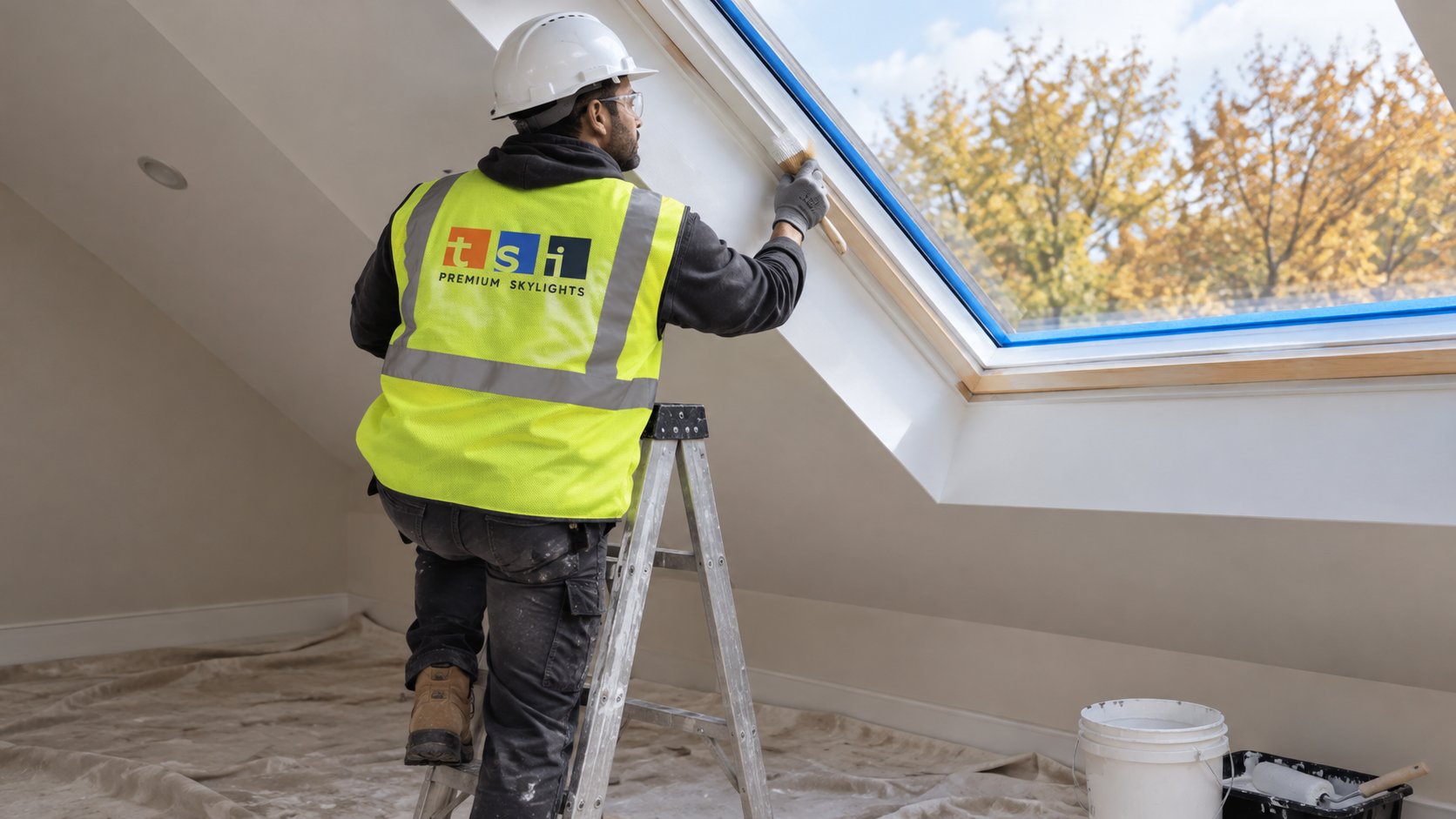
Refinishing interior frames means working at height under a sloped ceiling or in a shaft, which is often more awkward than it looks. A painter or skylight technician with proper access equipment is the safer choice for most frames out of reach.
Longevity in Ontario freeze-thaw
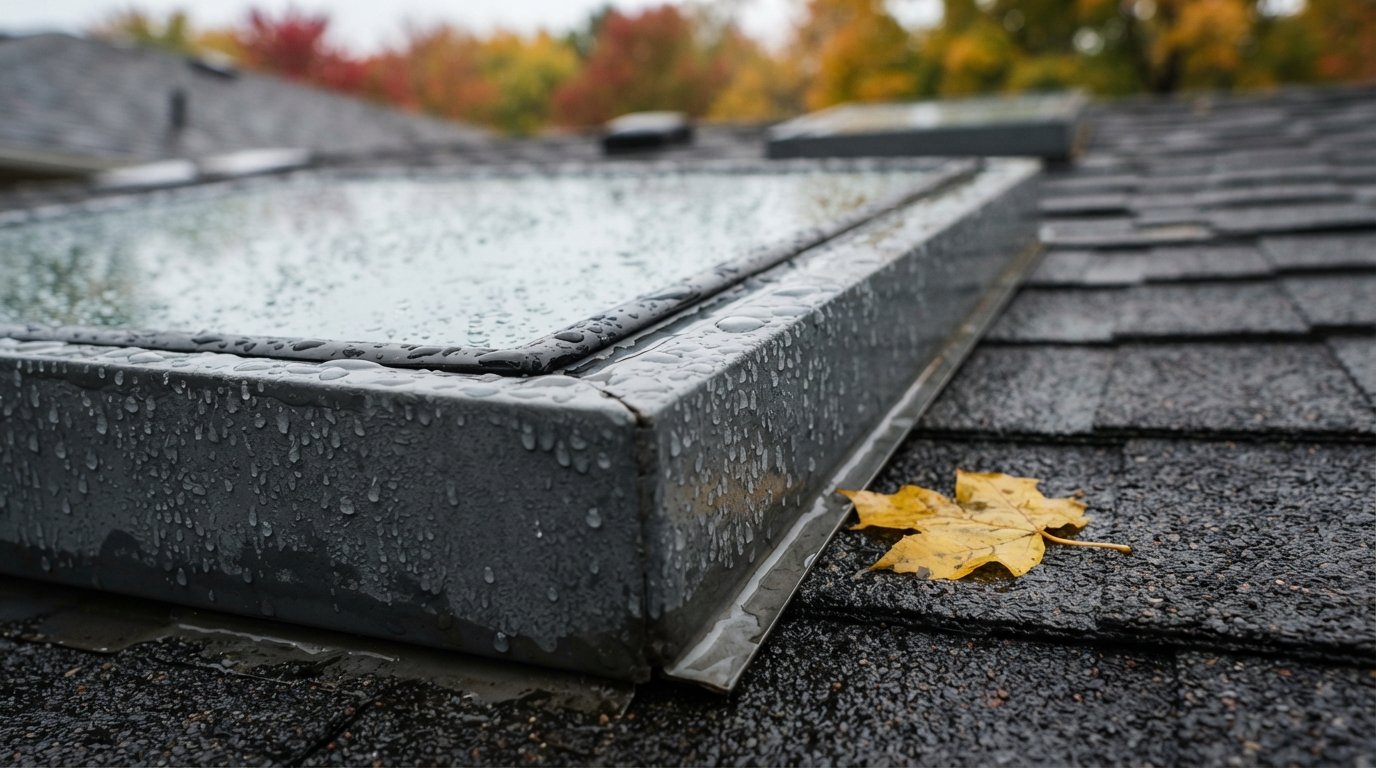
Ontario’s climate is hard on roofs: autumn rain followed by cold snaps, repeated freeze-thaw cycles through winter, spring meltwater, and strong summer sun. Frame materials that sit outside the weather barrier, such as aluminum cladding and exterior vinyl, take the brunt of that exposure. Materials inside the barrier, such as wood interiors and polyurethane, mostly face indoor humidity.
The skylight frame materials themselves rarely fail first. Long before an aluminum cladding wears out, the sealed glass unit may fog, gaskets may harden or the flashing may need attention. Where frames do fail, it is usually because water has been getting where it should not, through failed flashing, a cracked exterior joint or years of unmanaged condensation. Choosing an appropriate material for the room, keeping finishes intact and fixing small leaks quickly matter more than any single material choice.
| Material | Routine care | Warning signs to act on |
|---|---|---|
| Wood interior | Wipe condensation, inspect the finish yearly | Peeling paint at the bottom rail, dark stains, soft spots |
| Vinyl frame | Mild soap and water cleaning | Cracked corners, warping, gaps at joints |
| Polyurethane interior | Mild cleaning only | Cracks in the surface, staining that returns after cleaning |
| Aluminum cladding | Clear leaves and debris each autumn | Loose or dented pieces, failed sealant, water marks inside |
| Copper cladding | Leave the patina to develop | Corrosion where it contacts incompatible metals |
Questions to ask when comparing skylight frame materials
- What is the interior frame and sash made of, and what is the exterior cladding?
- Is the interior factory-finished, and can it be repainted or refinished later without affecting the warranty?
- How does the manufacturer recommend cleaning the frame and cladding?
- What is the whole-product U-factor, and is the unit ENERGY STAR certified for Canada?
- Is a moisture-resistant interior, such as vinyl or polyurethane, available in the size and model you need?
- Does the cladding colour and metal suit the roof and the flashing it will sit beside?
Clear answers to these questions make it much easier to compare quotes, because two units that look similar in a brochure can use quite different skylight frame materials.
Frequently asked questions
Which frame is best for a bathroom skylight?
Can I paint my skylight frame?
Why does my aluminum skylight frame drip in winter?
Do wood skylight frames rot?
Are polyurethane frames available in Canada?
Which material lasts longest in Ontario?
Choosing skylight frame materials for your home
The right frame depends on the room, the roof and how much upkeep you want. Toronto Skylight Installers can look at your existing unit, shaft and ventilation and recommend frame options that suit them, using the specifications for products available in Canada. Call us today at (416) 365-7557 or request a free estimate.
Frame and glazing advice for skylight replacements in Peel Region and the wider GTA.