

{“slug”:”skylight-glass-tint-uv-protection-toronto”,”title”:”Skylight Glass Tinting and UV Protection for Toronto Homes 2026″,”keyword”:”skylight glass tint uv protection toronto”,”excerpt”:”Learn how skylight glass tint UV protection Toronto solutions cut glare, block fading rays, and keep summer homes comfortable year-round.”,”content”:”
If bright July sun is turning your living room into a greenhouse, skylight glass tint UV protection Toronto upgrades are the fastest way to bring comfort back without giving up natural light. Homeowners across the city are discovering that a properly specified skylight glass tint UV protection Toronto package does far more than dim a room — it blocks the ultraviolet rays that fade hardwood floors, bleach furniture fabric, and quietly age artwork sitting under a sunny opening. At Toronto Skylight Installers, we get calls every summer from families who love their skylight but are frustrated by hot spots, faded rugs, and squinting through afternoon glare. The good news is that modern glazing and film technology solve all three problems at once, and this guide walks through exactly how skylight glass tint UV protection Toronto systems work, what they cost, and how to choose the right one for your roofline.
Why Skylight Glass Tint UV Protection Toronto Matters More Than Ever
Toronto summers deliver long daylight hours and a high sun angle, which means skylights installed on south- and west-facing roof slopes can receive direct, intense exposure for six to eight hours a day. Without any form of skylight glass tint UV protection Toronto homeowners commonly report three complaints: rooms that overheat by early afternoon, visible fading on flooring and upholstery directly beneath the opening, and glare that makes screens and reading nearly impossible during peak sun hours. Untreated glass typically blocks very little of the ultraviolet spectrum, and it is UV-A and UV-B radiation — not visible light — that does most of the damage to fabrics, wood finishes, and artwork pigments. A well-specified skylight glass tint UV protection Toronto solution addresses the invisible wavelengths first, then tackles visible heat and glare as a secondary benefit.
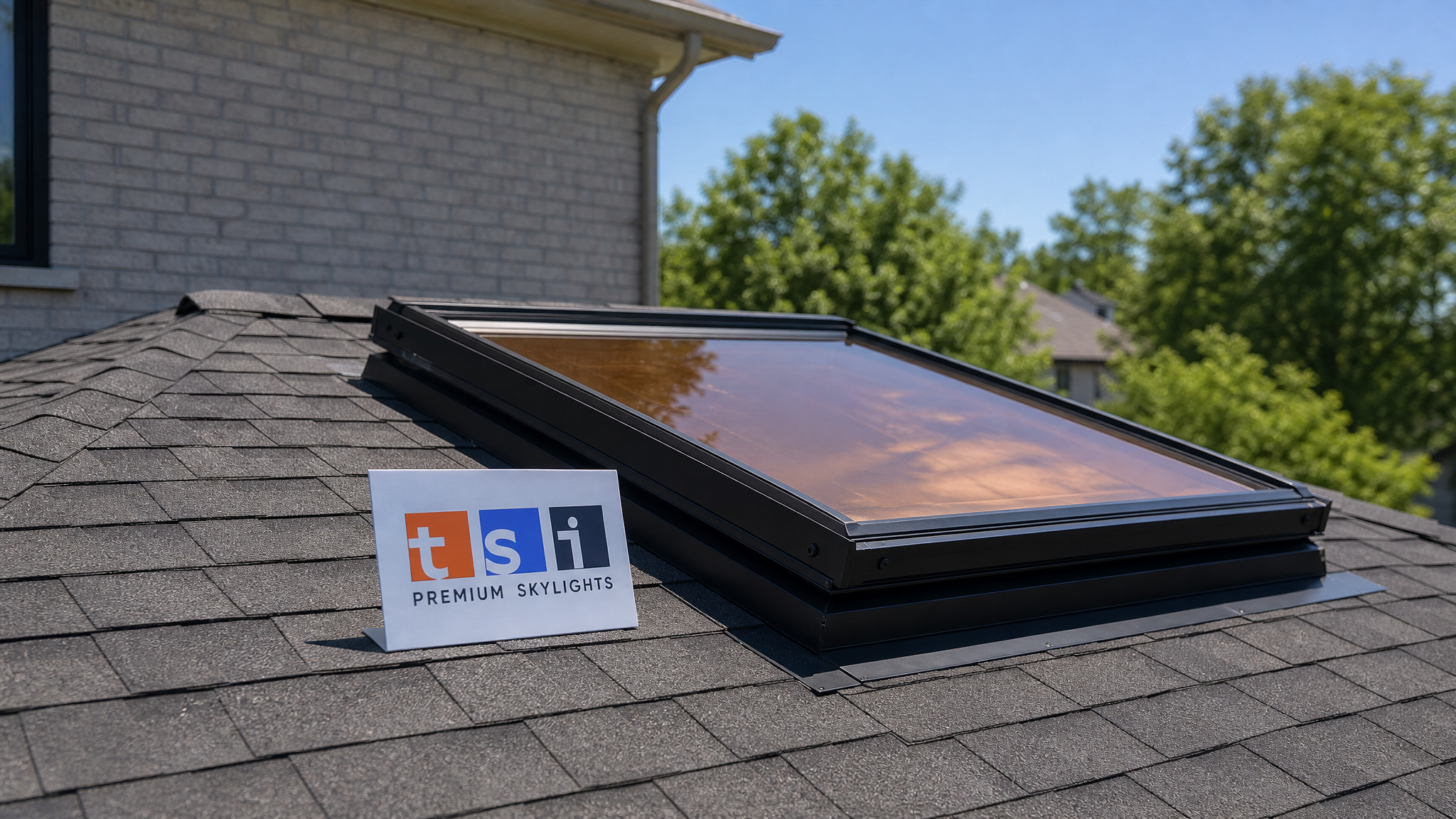
The other reason this topic matters right now is energy cost. Solar heat gain through an unshaded skylight can push air conditioning bills up noticeably during a heat wave, and that added cooling load is exactly what a quality skylight glass tint UV protection Toronto package is designed to offset. Homeowners considering a full skylight replacement often bundle in a UV-blocking glass upgrade at the same time, since the labour to access the opening is already accounted for.
How Skylight Glass Tinting Actually Works
There are two broad approaches to adding tint and UV filtering to a skylight: factory-integrated glazing and after-market film. Factory glazing is built into the insulated glass unit itself, typically as a low-E coating combined with a tinted or laminated interlayer that filters ultraviolet wavelengths before they ever reach the interior of the home. This is the approach we recommend for any new skylight installation, because the protection is baked in for the life of the unit and carries the manufacturer’s warranty.
After-market film is a thinner, adhesive-backed layer applied to the interior surface of existing glass. It is a lower-cost path to skylight glass tint UV protection Toronto homeowners can use on older units that are otherwise performing well and do not need full replacement. Film is rated by its UV rejection percentage, visible light transmission, and total solar energy rejection, and better products block 99 percent or more of ultraviolet radiation while still allowing generous daylight through.
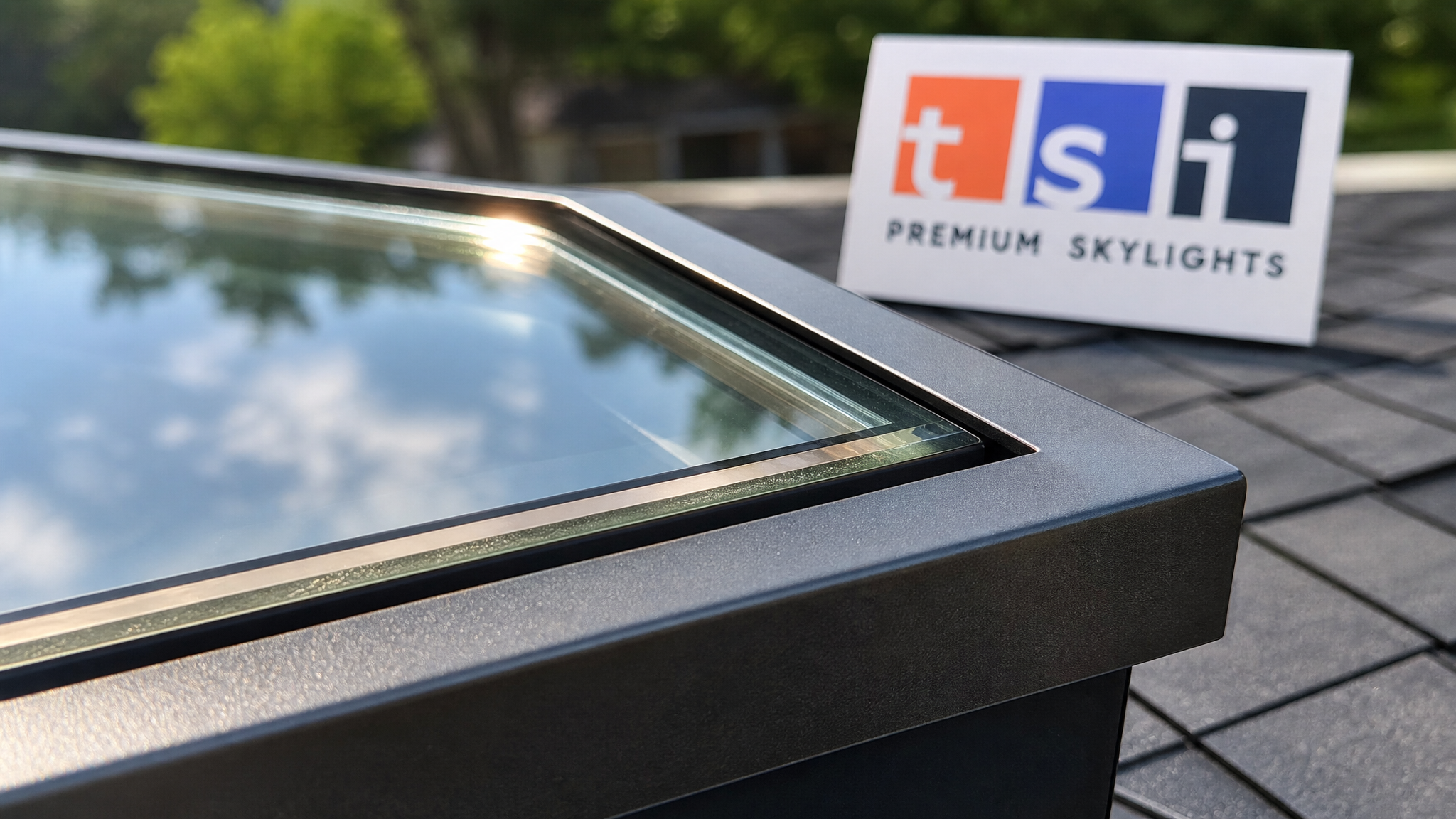
Both approaches can be combined with laminated safety glass, which adds an interlayer of polyvinyl butyral that further reduces UV transmission while improving impact resistance — a useful pairing for skylights over stairwells or seating areas where both fading protection and safety glazing are priorities.
| Tint/Coating Type | UV Block Rate | Visible Light Transmission | Best Use Case |
|---|---|---|---|
| Low-E factory glazing | 95-99% | 65-75% | New installs, energy savings priority |
| Laminated UV interlayer | 99%+ | 60-70% | Fading protection over furniture, art |
| Ceramic window film (retrofit) | 99% | 50-70% | Existing skylights, budget upgrades |
| Dyed film (retrofit, basic) | 85-95% | 35-50% | Glare reduction on a tight budget |
| Electrochromic smart glass | 99%+ | 1-60% variable | Premium, on-demand light control |
UV Protection Benefits Beyond Comfort
The most obvious payoff of skylight glass tint UV protection Toronto systems is a cooler room, but the longer-term financial benefit is protecting what is underneath the opening. Hardwood floors exposed to direct, unfiltered sun can visibly yellow or bleach within one to two summers, and the discolouration is permanent — refinishing is the only fix. Leather and fabric furniture fade even faster, often showing colour loss in a matter of months under a large unshaded skylight. Artwork, photographs, and even wallpaper suffer the same fate, and once ultraviolet damage sets in, it cannot be reversed.
Skin exposure is another consideration many homeowners overlook. Standard glass blocks UV-B but passes a meaningful amount of UV-A, which is the wavelength associated with long-term skin ageing from repeated exposure near a sunny window or skylight. A dedicated skylight glass tint UV protection Toronto upgrade closes this gap, which matters in rooms where people spend extended time, such as a kitchen island under a skylight or a home office with an overhead sun tunnel.
Energy performance rounds out the case. A tinted, low-E skylight reduces solar heat gain coefficient significantly compared to clear glass, meaning your air conditioner cycles less often on bright afternoons. Combined with a well-sealed frame, this is one of the more cost-effective upgrades homeowners can make when they are already budgeting for skylight installation work.
| Roof Orientation | Peak Summer Sun Exposure | Fading Risk (Untinted) | Recommended Tint Level |
|---|---|---|---|
| South-facing | High, 6-8 hrs/day | Severe | Low-E + laminated UV interlayer |
| West-facing | High, afternoon peak | Severe | Low-E + ceramic film |
| East-facing | Moderate, morning peak | Moderate | Standard low-E glazing |
| North-facing | Low, diffuse light | Low | Basic UV interlayer sufficient |
| Flat roof (any orientation) | Very high, full-day | Severe | Low-E + laminated + film combo |
Choosing the Right Tint Level for Your Home
Not every room needs the same amount of skylight glass tint UV protection Toronto homeowners can be over- or under-specified if the roof orientation and room use are not considered together. A sunroom used mainly in the evening may tolerate a lighter tint with strong UV rejection but higher visible light transmission, keeping the space bright without the fading risk. A home office or reading nook under a skylight, by contrast, benefits from a heavier tint that cuts glare on screens while still filtering ultraviolet rays.
Homeowners exploring fixed skylight units for a great room or kitchen often pair them with a mid-range low-E tint that balances daylight with heat control. For flat roof additions, our flat roof skylights line includes UV-filtering glass as standard because flat roof units receive the most consistent, all-day sun exposure of any skylight configuration. Smaller openings such as our sun tunnel skylights can also be fitted with UV-blocking diffusers, which is worth considering if the tunnel feeds light directly onto a wall-mounted piece of art or a stairwell runner.
For solar-powered vented models, the solar powered skylight line pairs UV-filtering glass with automated shade options, giving homeowners a second layer of control that closes automatically during the hottest part of the day and reopens once direct sun has passed.
Retrofit vs. Full Replacement: Which Makes Sense
If your existing skylight is under ten years old, structurally sound, and simply needs better UV performance, a professional film retrofit is often the fastest and most affordable path to skylight glass tint UV protection Toronto results. Film installation typically takes a few hours per unit and requires no roof work, since the film is applied to the interior glass surface. It is a strong option for condos, townhouses, or any situation where full replacement is not in the budget this season.
If your skylight is older, showing seal failure, condensation between panes, or you are already noticing drafts, it usually makes more financial sense to combine a UV upgrade with a full skylight replacement. New units come with dramatically better insulated glass packages, and factory-integrated skylight glass tint UV protection Toronto glazing outperforms retrofit film on both UV rejection consistency and expected lifespan, often carrying a ten- to twenty-year warranty on the glass itself.
Commercial buildings face a similar decision, and our team also handles commercial skylights retrofits for offices, retail spaces, and warehouses looking to cut cooling costs and protect merchandise or flooring from UV fading across large skylight arrays.
Installation Process and What to Expect
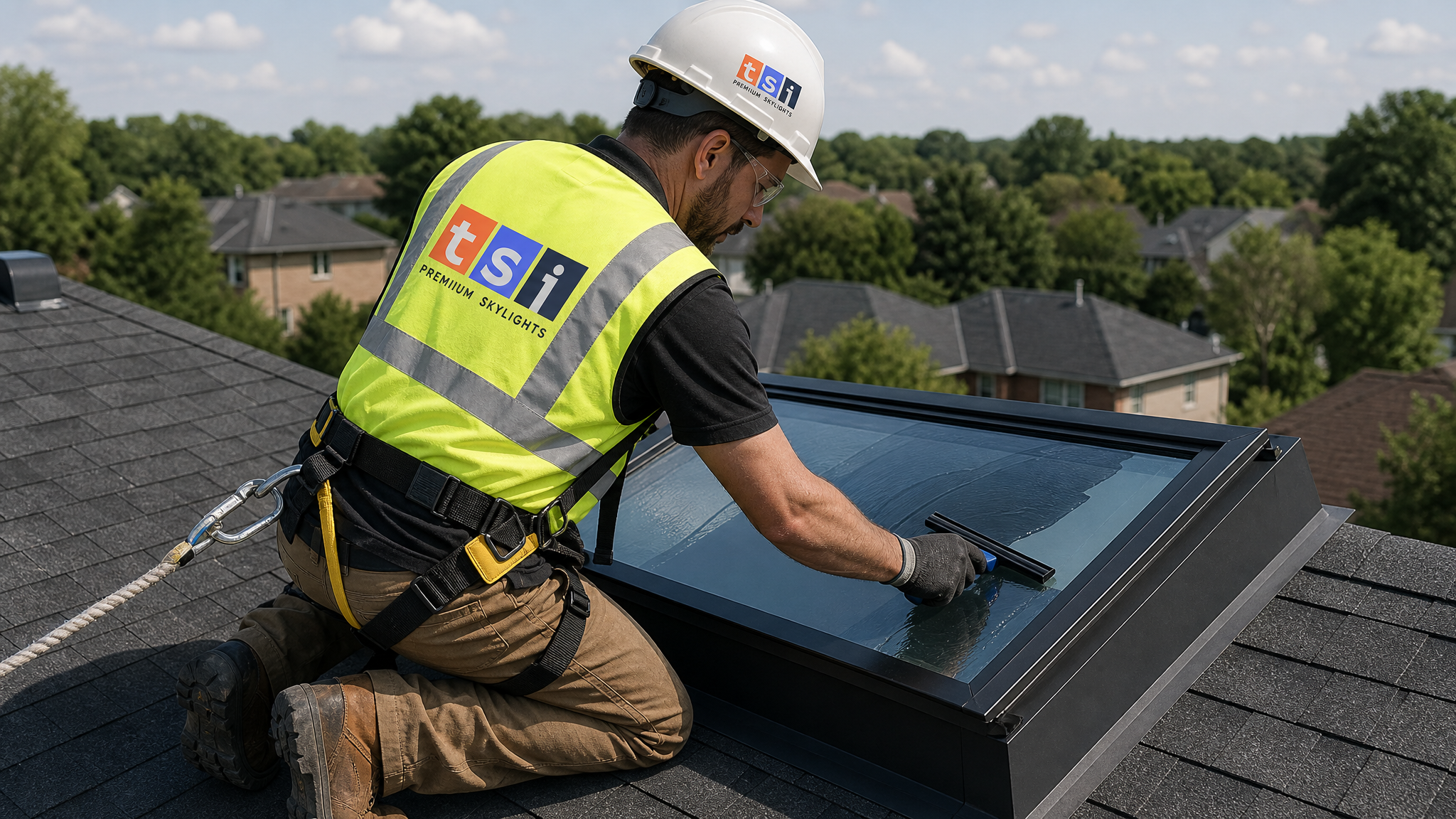
A typical skylight glass tint UV protection Toronto project starts with an on-site assessment where we measure the existing opening, check the glass condition, and confirm roof orientation and sun exposure hours. For film retrofits, we clean the interior glass thoroughly, then apply the ceramic or laminated film with a squeegee technique that eliminates bubbling, finishing with edge trimming for a seamless look from inside the room.
For full glass replacement or new installation, our crews follow standard safety protocols for working at height, including fall protection anchored to the roof structure, and typically complete a single-unit swap in half a day, weather permitting. We always confirm flashing integrity around the frame during this work, since a properly sealed skylight is just as important to comfort as the glass itself. Any homeowner noticing leaks, fogging, or drafts alongside fading concerns should book a skylight repairs assessment first, since seal failure can sometimes be corrected without a full tint or glass upgrade.
| Project Type | Typical Cost Range (CAD) | Time Required | Warranty Range |
|---|---|---|---|
| Retrofit ceramic film (per skylight) | $250-$550 | 2-4 hours | 5-10 years |
| Retrofit dyed film (per skylight) | $150-$300 | 1-3 hours | 3-5 years |
| New low-E tinted glazing (per unit) | $900-$2,200 | Half day | 10-20 years |
| Laminated UV interlayer upgrade | $1,100-$2,600 | Half day | 15-20 years |
| Electrochromic smart glass unit | $2,800-$5,500 | Full day | 10-15 years |
Maintaining Your Tinted Skylight Through the Seasons
Once skylight glass tint UV protection Toronto glazing or film is installed, upkeep is straightforward. Clean the interior glass with a non-abrasive, ammonia-free cleaner to avoid degrading film adhesive over time, and check the exterior periodically for pollen, dust, and debris that can reduce light transmission and make the tint appear duller than it actually is. Inspect the perimeter seal each spring and again after summer storms, since a compromised seal lets moisture in and can shorten the life of both the glass unit and the film.
If you notice bubbling, peeling edges, or a hazy appearance developing on retrofit film, that is a sign the adhesive is breaking down and the film should be professionally replaced rather than left in place, since degraded film loses much of its UV rejection capability. Homeowners with factory-integrated low-E glazing rarely see this issue, since the coating is sealed within the glass unit itself rather than applied as a surface layer.
For homes with multiple skylights of different ages, it is worth scheduling a single seasonal check-up that covers glass condition, seal integrity, and tint performance across every unit on the roof, rather than addressing each skylight reactively as problems appear.
What does skylight glass tint UV protection Toronto actually block?
Is retrofit film as effective as factory-tinted skylight glass?
Will tinting my skylight make the room too dark?
How much does skylight UV tinting cost in Toronto?
Can UV tinting be added during a skylight replacement?
How long does skylight tint film last before it needs replacing?
Book Your Skylight Glass Tint UV Protection Toronto Consultation
Whether you need a quick film retrofit on an existing unit or a full glazing upgrade as part of a new installation, Toronto Skylight Installers can assess your roof, sun exposure, and room use to recommend the right level of protection. Our team has fitted skylight glass tint UV protection Toronto solutions on everything from single residential fixed units to full commercial skylight arrays.
Call us today at (416) 365-7557 or request a free inspection to get started.
Toronto Skylight Installers proudly serves Toronto, Mississauga, Markham, Vaughan, Brampton and Oakville.
“,”images”:[{“type”:”hero”,”filename”:”tsi69_hero_skylightglasstintuvp.png”,”alt”:”Wide establishing shot of a residential Toronto home skylight with visible tinted glass reflecting summer sunlight, small branded sign nearby”,”caption”:”UV-filtering tinted glass on a residential skylight helps Toronto homeowners cut glare and protect interiors from sun damage.”,”scene”:”Wide establishing exterior shot of a suburban Toronto home roof with a large tinted skylight glazing visible, glass showing a subtle bronze/UV-reflective tint under bright summer daylight, clear blue sky, no workers present, a small flat placard sign reading Toronto Skylight Installers propped neutrally near the base of the roof access area, absolutely no vehicles anywhere in frame, natural summer daylight, professional documentary photography, realistic, shallow depth of field”},{“type”:”worker”,”filename”:”tsi69_worker_skylightglasstintuvp.png”,”alt”:”Tradesperson in full safety gear applying UV-protective tint film to a skylight glass panel on a Toronto rooftop”,”caption”:”A certified installer applies ceramic UV-blocking film to skylight glass, wearing full fall-protection gear on a Toronto rooftop.”,”scene”:”A tradesperson kneeling on a residential rooftop carefully applying a UV-protective ceramic tint film to a skylight glass panel with a squeegee tool, wearing a hard hat with a small logo on the front, a hi-vis safety vest with a small logo on the back, safety glasses, work gloves, steel-toe boots, and a fall-protection harness connected to a visible safety rope anchored to the roof structure, bright natural summer daylight, Toronto suburban rooftop setting, no vehicles anywhere in frame, no other people, professional documentary photography, realistic, shallow depth of field”},{“type”:”detail”,”filename”:”tsi69_detail_skylightglasstintuvp.png”,”alt”:”Close-up of tinted skylight glass edge showing the UV-filtering film layer and laminated interlayer detail”,”caption”:”A close-up view of the laminated UV-filtering interlayer used in premium skylight glass tint installations.”,”scene”:”Extreme close-up shot of a skylight glass corner and frame edge, showing the subtle tinted film layer and laminated glass interlayer detail with a faint bronze reflective sheen, sunlight glinting across the surface, a small branded placard sign reading Toronto Skylight Installers resting just out of focus in the background, Toronto suburban rooftop setting, natural summer daylight, no people, no vehicles anywhere in frame, professional documentary photography, realistic, shallow depth of field, macro-style focus on material texture”}]}