A leaking skylight is one of the most stressful problems a Toronto homeowner can face. Water dripping from your ceiling damages drywall, promotes mould growth, ruins insulation, and can even compromise the structural integrity of your roof framing if left unaddressed. But not every skylight drip is actually a leak — and understanding the root cause is the first step to solving the problem permanently.
In this guide, Toronto Skylight Installers explains the most common causes of skylight leaks, how to diagnose them, what repairs cost, and when a full replacement is the smarter long-term solution.
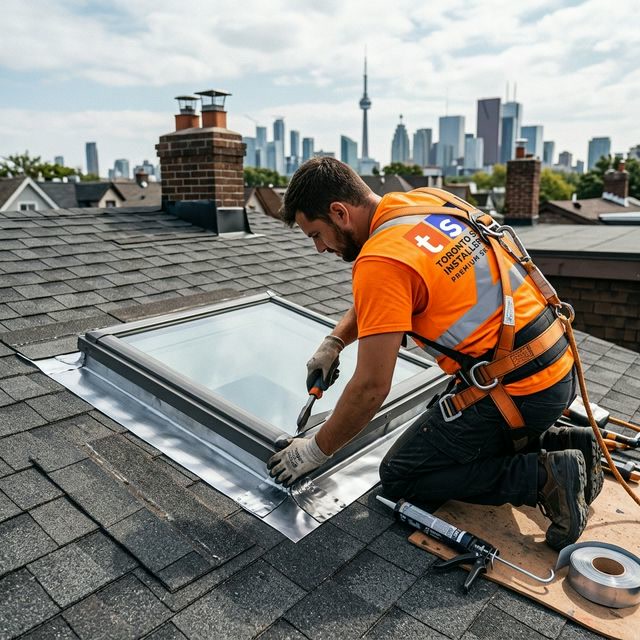
The Top 5 Causes of Skylight Leaks in Toronto
After inspecting and repairing thousands of skylights across the GTA, we have identified the most common leak sources. Understanding which one is causing your problem determines the right fix.
| Cause | How to Identify | Typical Fix | Cost Range |
|---|---|---|---|
| Failed Flashing | Water enters around the frame edges, especially during heavy rain or wind-driven rain | Re-flash with new step and counter flashing | $500 – $1,200 |
| Cracked or Damaged Seal | Water appears between the glass panes or around the gasket | Glass unit replacement or full skylight replacement | $800 – $2,500 |
| Ice Dam Formation | Leaks only during late winter/early spring when ice and snow melt | Improve attic ventilation and insulation | $1,000 – $3,000 |
| Condensation (Not a Leak) | Moisture appears on glass surface during cold weather, dries when warm | Improve bathroom exhaust ventilation, add dehumidifier | $200 – $500 |
| Improper Installation | New skylight leaks within first 1-2 years, often at corners or curb | Complete re-installation with proper flashing | $1,500 – $3,000 |
Flashing Failure: The Number One Cause
More than 60% of all skylight leaks we diagnose are caused by failed or improperly installed flashing. Flashing is the metal and membrane system that creates a watertight seal between your skylight frame and the surrounding roofing material. Over time, the sealant deteriorates, metal corrodes, and the shingles around the flashing shift and crack, creating gaps where water can enter.
Proper skylight flashing involves multiple overlapping layers of step flashing and counter flashing that interlock with each row of shingles. When installed correctly by a certified installer, this system channels water away from the skylight frame and down the roof surface. When installed incorrectly — which is extremely common with handyman or general contractor installations — the flashing can actually channel water toward the skylight frame, creating a persistent leak that gets worse over time.
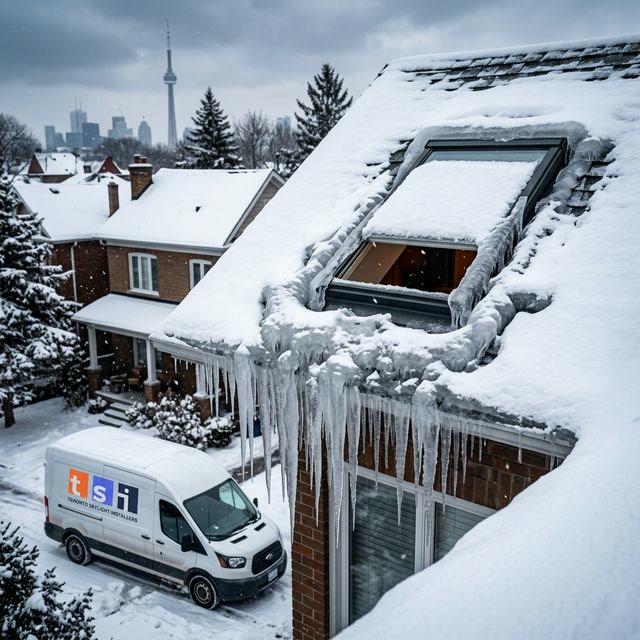
Ice Dams and Skylight Leaks in Toronto Winters
Toronto winters create unique challenges for skylights. Ice dam leaks occur when warm air from your living space rises into the attic and heats the underside of the roof deck around the skylight. This causes snow on the roof to melt and run down to the colder eaves where it refreezes, creating a dam of ice. As more water pools behind this dam, it backs up under shingles and into the skylight opening, causing leaks that only appear during freeze-thaw cycles.
The solution to ice dam leaks is not more sealant or flashing repairs — it is addressing the root cause:
- Attic Insulation: Ensure your attic floor insulation meets current Ontario Building Code standards (R-50 to R-60). Inadequate insulation allows heat to escape into the attic, warming the roof deck.
- Attic Ventilation: Proper soffit-to-ridge airflow keeps the attic cold in winter, preventing uneven snow melt. Your skylight light shaft should also be properly insulated and air-sealed.
- Ice and Water Shield Membrane: When replacing a skylight, we always install self-adhering ice and water shield membrane around the entire perimeter of the opening, providing a secondary waterproofing layer that prevents ice-dam water from reaching the interior.
Condensation vs. Leaks: How to Tell the Difference
Many homeowners panic when they see moisture around their skylight in winter, but it is not always a leak. Condensation occurs when warm, humid interior air meets the cold glass surface of the skylight. This is especially common in kitchens and bathrooms where moisture levels are high.
| Characteristic | Condensation | Actual Leak |
|---|---|---|
| When it appears | Cold days, especially mornings | During or after rain/snow |
| Location | On the glass surface itself | Around the frame, on the shaft walls, or ceiling |
| Pattern | Uniform moisture on glass | Drips, streaks, or pools in specific spots |
| Does it dry? | Yes, when temperature rises | Leaves stains, paint peeling, or soft drywall |
| Solution | Improve ventilation, reduce humidity | Repair flashing, replace seal, or replace skylight |
If you are unsure whether your skylight issue is condensation or a leak, there is a simple test: wipe the moisture off the glass and attach a piece of plastic wrap tightly over the area. If moisture reappears on the room-side of the wrap, it is condensation from your indoor humidity. If moisture appears behind the wrap (between the wrap and the glass), it is likely a seal failure or leak.
When to Repair vs. When to Replace a Leaking Skylight
The decision between repair and replacement depends on the age, condition, and type of skylight. Here is our professional recommendation:
- Repair if: The skylight is less than 15 years old, the glass is clear (no fog or yellowing), and the leak is isolated to a specific flashing point. A targeted re-flashing can extend the skylight life by another 10 to 15 years at a fraction of replacement cost.
- Replace if: The skylight is older than 20 years, the glass is yellowed, foggy, or cracked, the frame is warped or rotted, or the unit has been repaired multiple times without lasting success. A modern VELUX replacement will be dramatically more energy-efficient, leak-proof, and attractive.
Emergency Skylight Leak Response
If your skylight is actively leaking during a storm, take these immediate steps to minimize damage:
- Place Containers: Position buckets, pots, or towels under the drip to catch water and protect your flooring.
- Protect Electronics and Furniture: Move any electronics, furniture, or valuables away from the leak zone.
- Do NOT Attempt Roof Repairs in a Storm: Going onto a wet roof during rain or wind is extremely dangerous. Wait for conditions to improve or call a professional.
- Call for Emergency Service: Toronto Skylight Installers offers emergency repair service to address active leaks as quickly as possible. Our team can perform temporary weather sealing to stop the leak until a permanent repair can be scheduled.
Preventing Future Skylight Leaks
Prevention is always cheaper than repair. Here are the most effective ways to keep your skylight leak-free:
- Annual Roof Inspection: Have your skylight and surrounding roofing inspected at least once per year, ideally in spring after the freeze-thaw season. A professional can spot deteriorating flashing, cracked sealant, and damaged shingles before they cause leaks.
- Keep Gutters Clean: Clogged gutters contribute to ice dam formation by preventing proper water drainage from the roof edge. Clean your gutters in fall and spring.
- Trim Overhanging Branches: Tree branches dropping leaves and debris onto your roof can trap moisture against flashing and accelerate deterioration. Keep branches trimmed at least 3 feet from your roof surface.
- Control Indoor Humidity: Use bathroom exhaust fans during and after showers, range hoods while cooking, and a whole-home dehumidifier if your indoor humidity regularly exceeds 40% to 45% during winter months.
The Real Cost of Ignoring a Skylight Leak
Many Toronto homeowners put off addressing a leaking skylight because the drip seems minor or only happens during heavy rain. This is a costly mistake. Even a small, intermittent leak causes progressive damage that compounds over time. Water that enters around your skylight travels along framing members, soaking into insulation and drywall far beyond the visible stain on your ceiling. Within months, this hidden moisture creates conditions for mould growth, which poses serious health risks including respiratory problems, allergic reactions, and exacerbated asthma symptoms for everyone in your household.
The structural consequences are equally severe. Continuous moisture exposure causes wood framing around the skylight to rot and weaken. In extreme cases, we have seen roof decking and rafters so deteriorated by years of slow leaking that they required complete replacement, turning what would have been a simple re-flashing job into a ,000 to ,000 structural repair. The insulation packed around and below your skylight shaft loses its effectiveness when wet, meaning your heating system has to work harder during Toronto winters to compensate for the heat loss through the saturated insulation, driving up your energy bills month after month.
What to Expect During a Professional Skylight Leak Inspection
When you call Toronto Skylight Installers for a leak inspection, here is exactly what happens during our assessment:
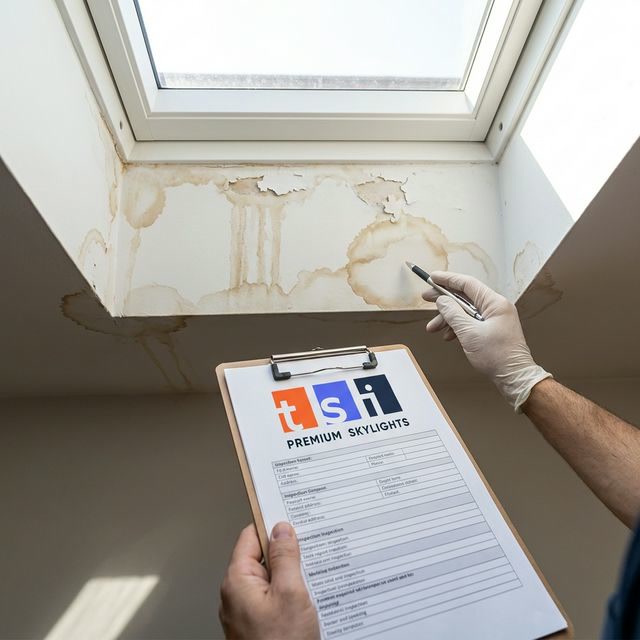
- Interior Assessment: We examine the ceiling and light shaft around the skylight for water stains, paint discolouration, soft spots in the drywall, and any visible mould. We take moisture readings with a professional moisture meter to detect hidden water damage that is not yet visible to the naked eye.
- Attic Inspection: If accessible, we enter the attic space around the skylight to check the condition of the framing, insulation, and the underside of the roof deck. This reveals hidden rot, black mould, and water tracking patterns that tell us exactly where the water is entering.
- Roof Exterior Inspection: We go on the roof to visually inspect the skylight flashing, surrounding shingles, sealant condition, and any signs of physical damage from storms or fallen debris. We check for lifted shingles, corroded flashing, and deteriorated caulking around the curb.
- Diagnosis and Recommendation: Based on our findings, we provide a clear diagnosis of the root cause and a written recommendation with repair options and pricing. We explain whether re-flashing, glass replacement, or full skylight replacement is the most cost-effective long-term solution for your specific situation.
Our inspections are thorough and honest. We will never recommend a full replacement if a targeted repair will solve the problem. Conversely, if you have a 25-year-old acrylic dome skylight with multiple failure points, we will be upfront about the fact that continued repairs are throwing good money after bad, and a modern VELUX replacement is the smarter investment.
Why is my skylight leaking when it rains?
The most common cause of a skylight leaking during rain is failed or deteriorated flashing — the waterproof seal between your skylight frame and the surrounding roofing material. Over time, sealant breaks down, metal corrodes, and shingles shift, creating gaps where water enters. A certified technician can re-flash the skylight to permanently stop the leak.
How much does it cost to fix a leaking skylight in Toronto?
Skylight leak repair costs in Toronto range from $500 to $1,200 for a re-flashing job, $800 to $2,500 for a glass or seal replacement, and $1,500 to $3,000 for a complete re-installation. The cost depends on the root cause, the skylight type, and the difficulty of roof access.
Can I fix a leaking skylight myself?
We strongly advise against DIY skylight repairs. Working on a roof is dangerous without proper fall protection equipment. Additionally, applying roofing cement or caulk over deteriorated flashing is a temporary fix that often makes the underlying problem worse by trapping moisture. Professional re-flashing by a certified installer is the only permanent solution.
Is my skylight leaking or is it condensation?
Condensation appears as uniform moisture on the glass surface during cold weather and dries when the temperature rises. A leak produces drips, streaks, or water stains around the frame, on the light shaft walls, or on the ceiling below, and is associated with rain or snow events rather than temperature changes. A professional inspection can definitively confirm the cause.
Will my insurance cover a leaking skylight?
Home insurance in Ontario typically covers sudden and accidental damage but not gradual wear and deterioration. If your skylight is leaking because of a sudden storm impact or ice damage, your insurance may cover the repair costs. If the leak is due to aging flashing or seal failure, it is generally considered a maintenance issue and not covered. Check your specific policy or contact your insurer for clarification.
How do I stop my skylight from leaking in winter?
Winter skylight leaks are typically caused by ice dam formation rather than flashing failure. The long-term fix is improving attic insulation and ventilation to prevent uneven snow melt on the roof. In the short term, contact Toronto Skylight Installers for an emergency assessment. We can apply temporary sealing and recommend the proper insulation and ventilation improvements to prevent future ice dam leaks.
Dealing with a leaking skylight? Do not wait for the damage to get worse. Contact Toronto Skylight Installers today for a professional diagnosis and permanent repair. Our certified technicians will identify the root cause, recommend the most cost-effective solution, and restore your skylight to leak-free condition. Call us at (416) 365-7557 for prompt service across the Greater Toronto Area.